


Choose Printed Christmas Cards Around the Product
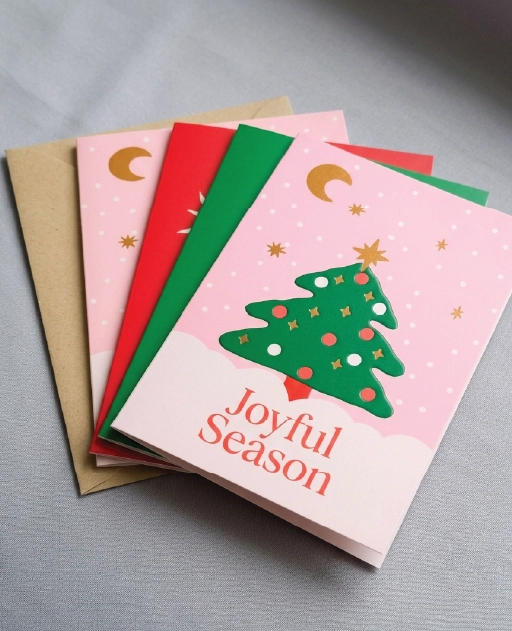
Start with the product mix. Your custom Christmas cards must match what you sell and how buyers receive it. For custom Christmas cards, we look at weight, product count, display needs, and shipping distance before suggesting folded cards, flat cards, insert cards, envelope sets, tag cards, thank you cards, and product note cards. This helps you avoid a box that looks good but fails during packing. Business owners, marketing managers, corporate gifting buyers, retailers, and agencies can use one style for retail shelves and another for mailers or gift sets. The goal is simple. Your packaging should hold the product, explain the offer, and make the seasonal theme clear without making the buyer work hard.
Make Branded Christmas Cards Easier to Display
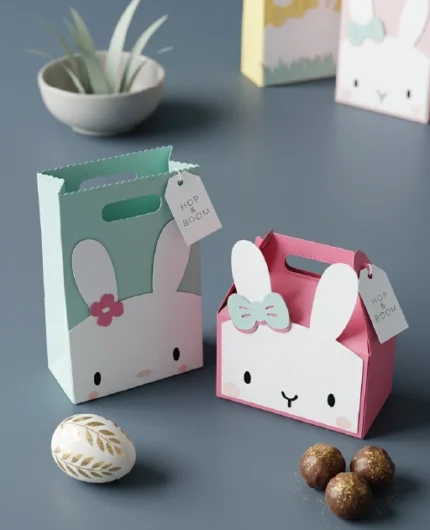
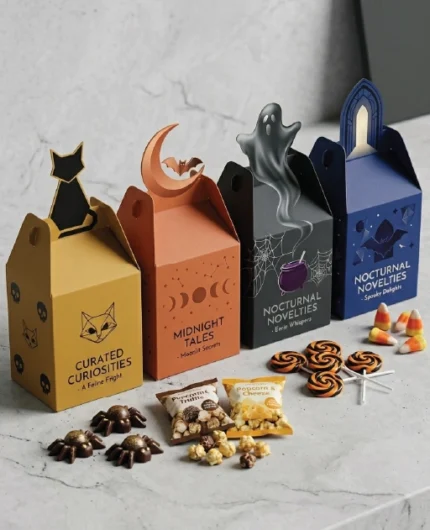
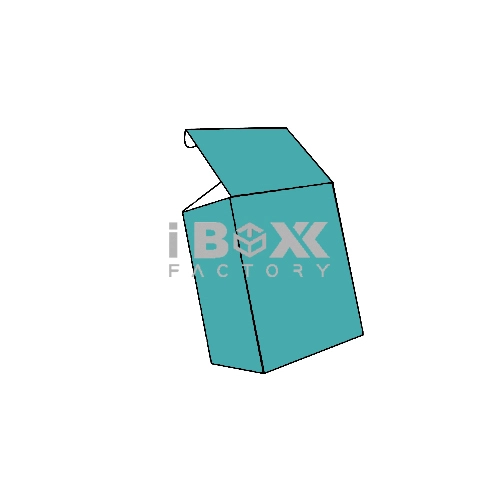
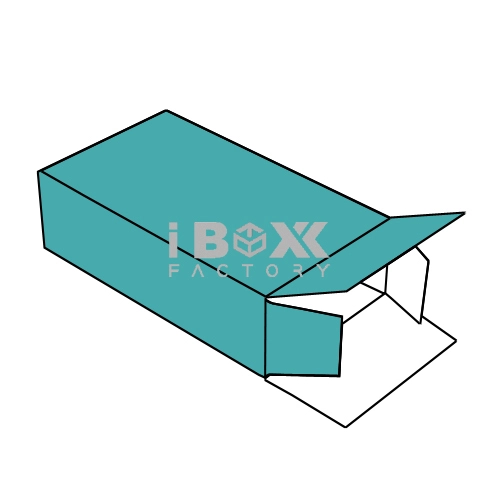
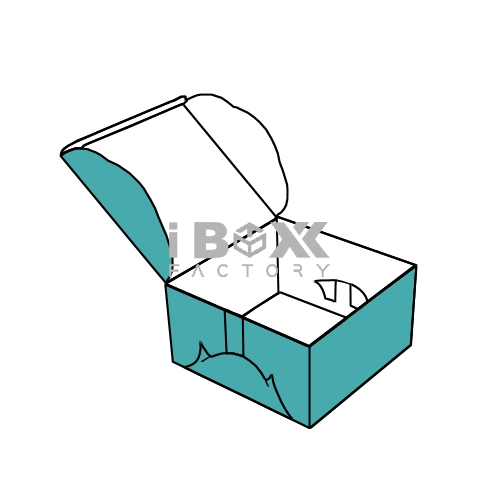
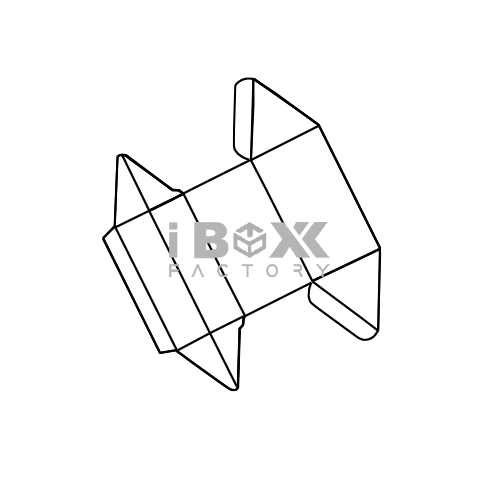
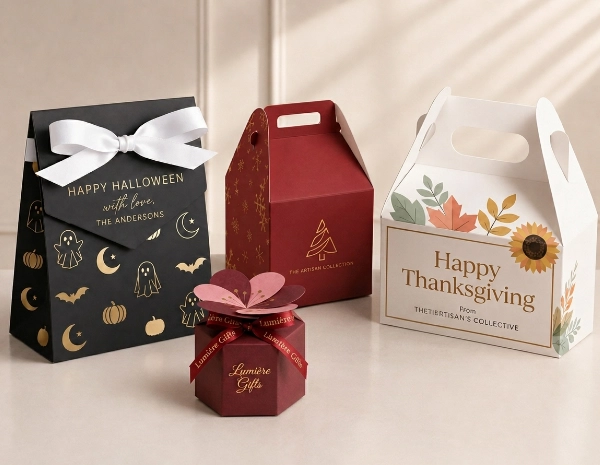
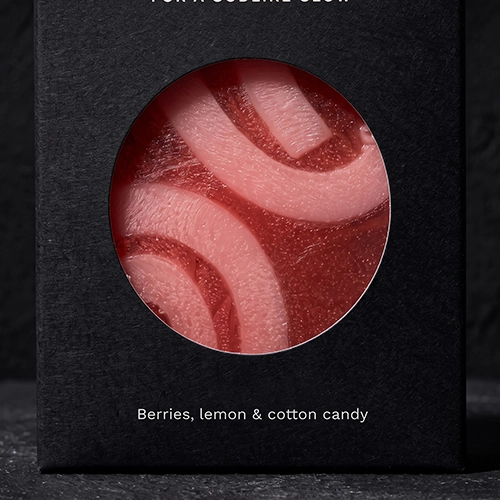
Look at the buying moment. Branded Christmas cards should help products sit neatly in stores, pop up shops, or ecommerce photos. A window can show color, texture, or product count. A sleeve can carry the main holiday message while the inner box stays clean. A gable shape can work well for event handing and gift counters. We can suggest shelf friendly panels, barcode placement, and front facing artwork so your display does not feel crowded. This matters more during busy seasons because buyers compare options fast and often decide from the front panel alone.
Plan Business Christmas Cards With the Right Material
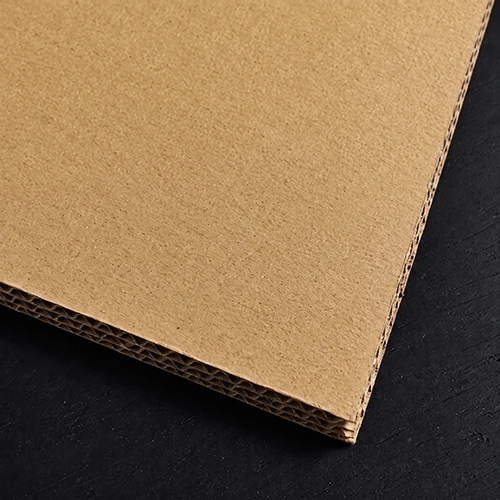
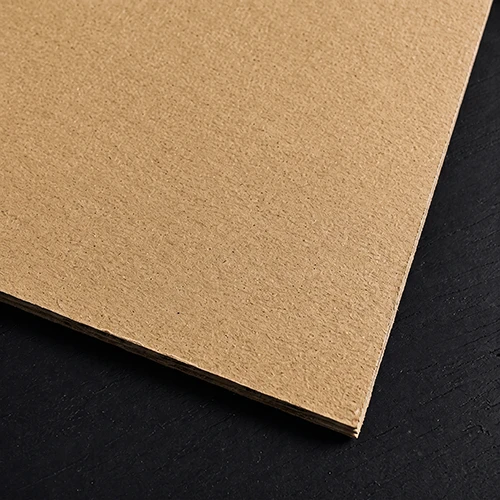
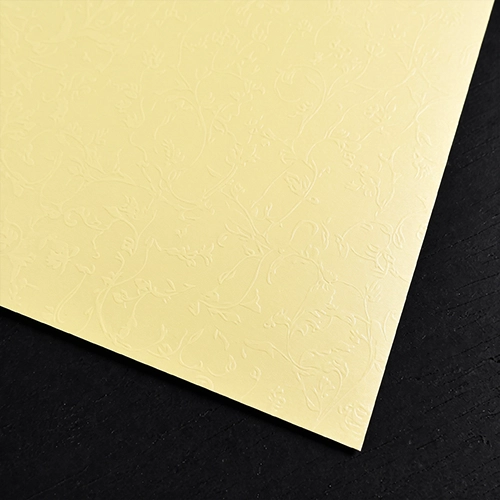
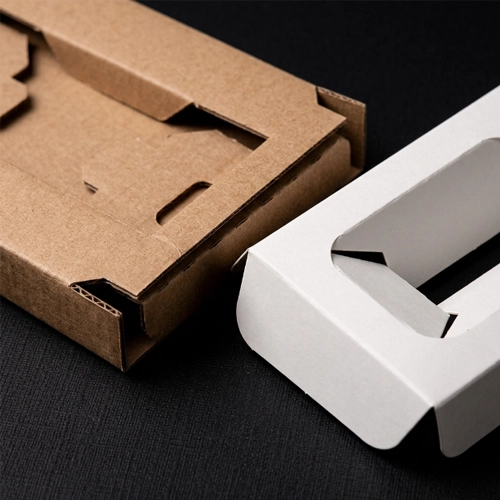
Plan the structure around real handling. Materials change how your custom christmas cards feel in hand. You can use premium cardstock, textured paper, recycled paper, coated card, Kraft card, and heavy cover stock depending on the product weight, price point, and sales channel. Food items may need coated or food safe boards. Fragile sets may need corrugated board or rigid stock. Small gift items may work well in folding cartons. We help match material strength with your product, not a random sample. This keeps costs controlled while giving your packaging enough body for stacking, packing, and repeat handling during seasonal demand.
Use Corporate Christmas Cards for Clear Seasonal Artwork
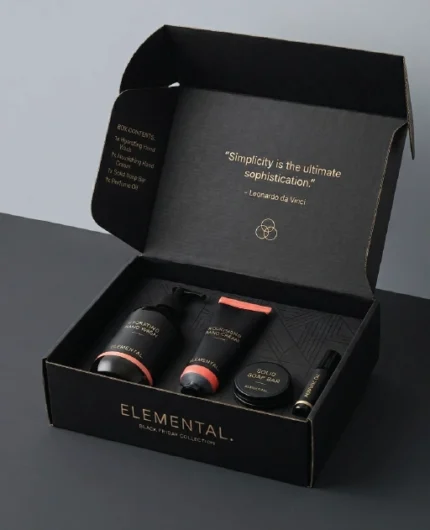
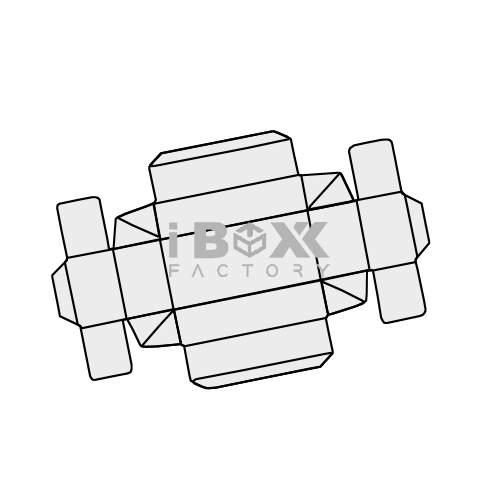
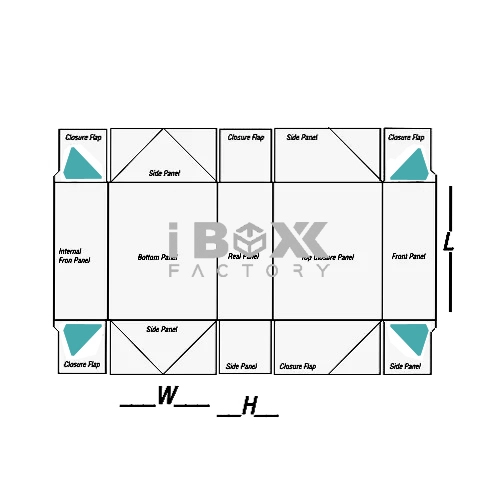
Match the material to the sales channel. Seasonal artwork needs room to breathe. With corporate Christmas cards, you can use front panels for the theme, side panels for product details, and the inside area for a short message or offer. folded cards, flat cards, foil Christmas cards can all work if the layout stays clean. We check dielines before printing so key text, folds, windows, and closures line up properly. This support helps your packaging look planned rather than rushed, which matters for holiday buyers who expect a polished but easy to understand product.
Size Holiday Greeting Cards for Real Orders
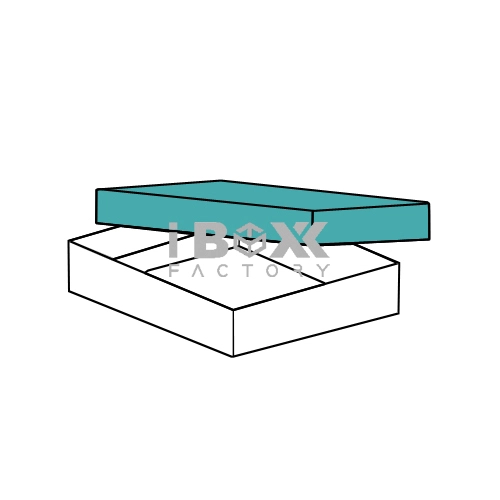
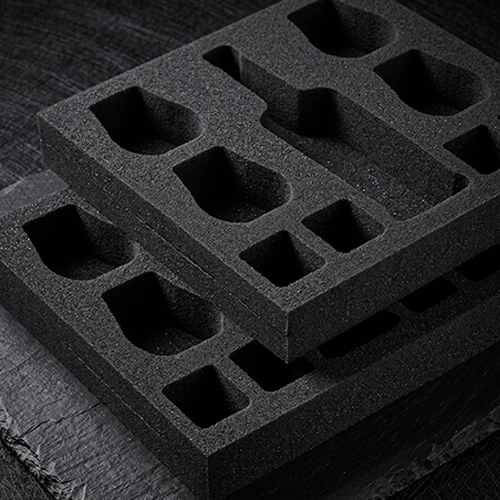
Keep the design useful. Size planning affects packing speed, shipping cost, and product safety. Common needs include A6, A5, square cards, small insert cards, gift tag sizes, and custom envelope sizes. A box that is too large may need extra filling. A box that is too tight can damage corners, lids, or labels. We can help you set inside dimensions, choose depth, and plan room for inserts or dividers. This is useful for brands that sell mixed seasonal sets because the same outer box can sometimes work with different inserts. Your team gets more control without adding more box styles than needed.
Add Details That Support Printed Christmas Cards
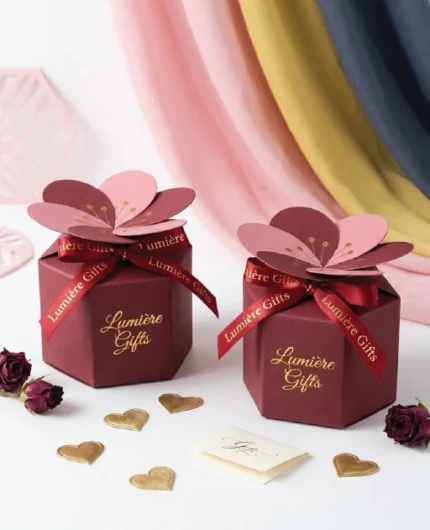
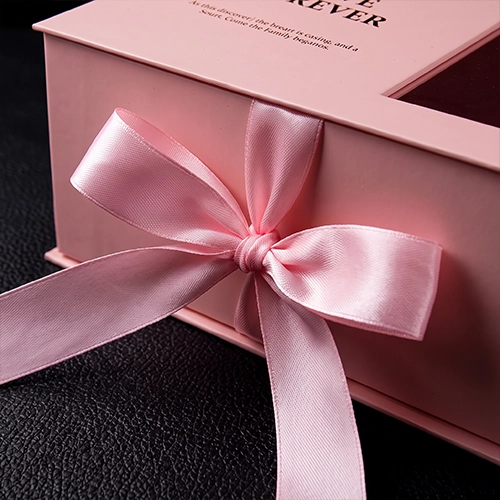
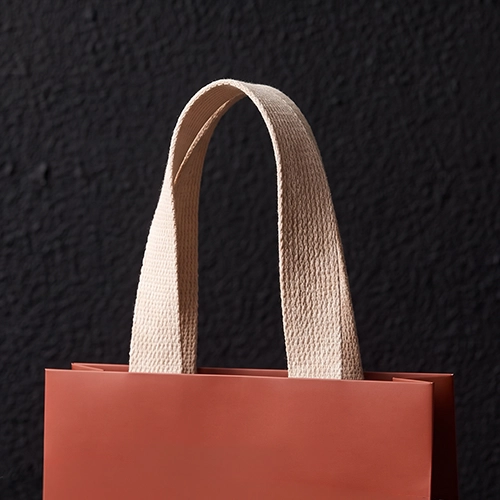
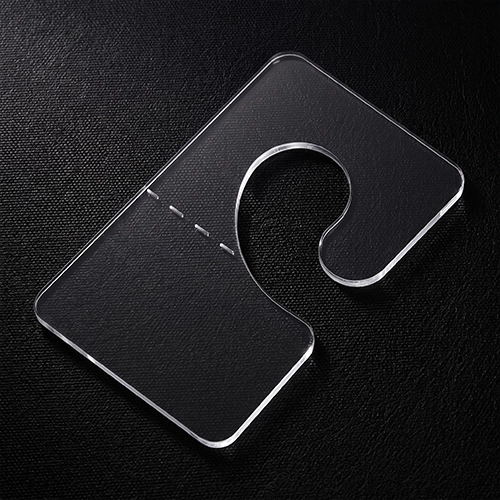
Think through packing speed. Add-ons should solve a real problem. For custom Christmas cards, useful options include envelopes, belly bands, foil seals, die cut edges, rounded corners, and ribbon ties. A divider can separate flavors or small items. A handle can help with party packs or food orders. A window can show a product without opening the box. A ribbon can support gift appeal, while a hang tab can help retail placement. We help you choose add ons based on product use, order volume, and buyer behavior. This keeps the box practical and avoids extra features that add cost without helping the sale.
Print Branded Christmas Cards With Buyer Friendly Panels
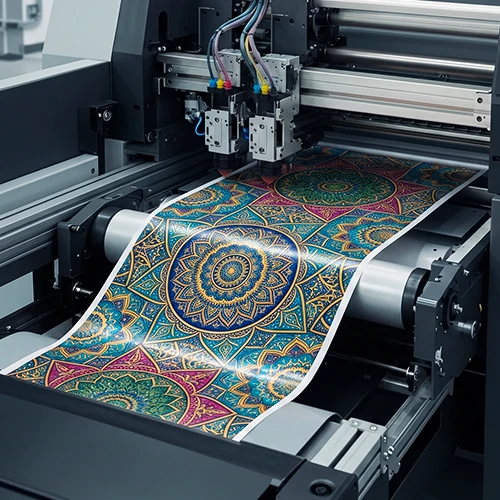
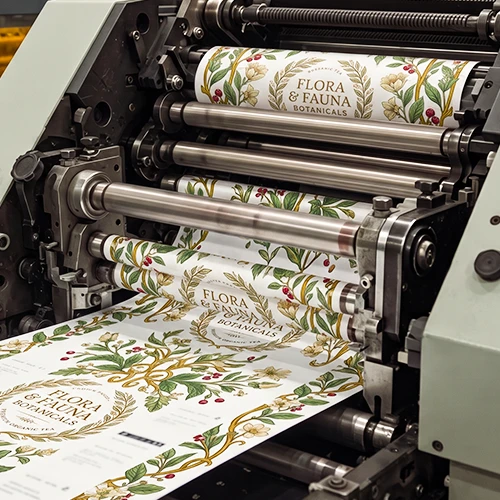
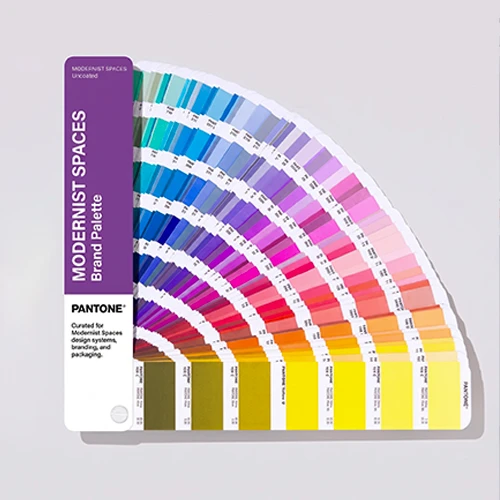
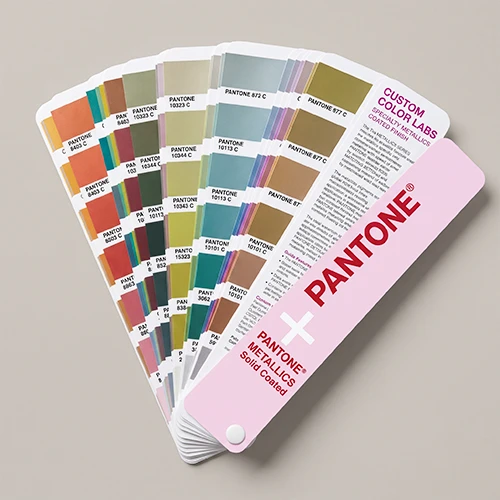
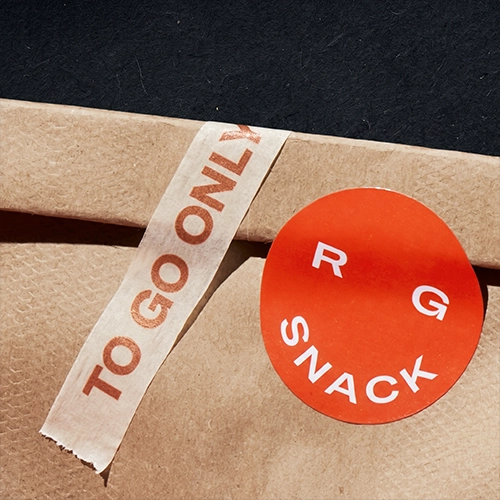
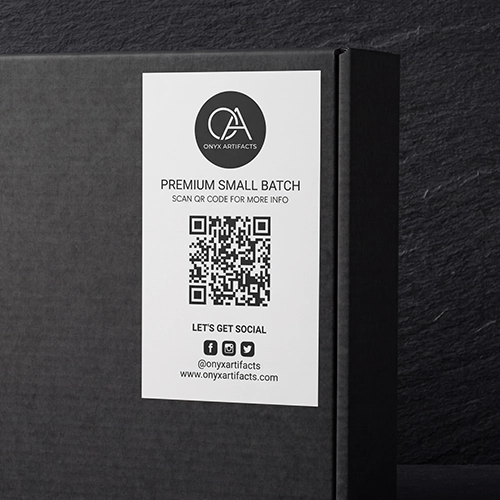
Use print space with care. Printing has to do more than carry a pattern. Your printed Christmas cards can include product name, seasonal message, ingredient or care notes, QR codes, barcode areas, and simple buying cues. Printing options include CMYK, Pantone brand colors, foil print, variable names, inside message printing, and QR code printing. For small runs, digital print may work well. For larger runs, offset printing can keep colors consistent across cartons, sleeves, and inserts. iBOX Factory reviews artwork files, color needs, and panel positions so the final box supports both brand identity and buyer clarity.
Finish Business Christmas Cards for the Right Market
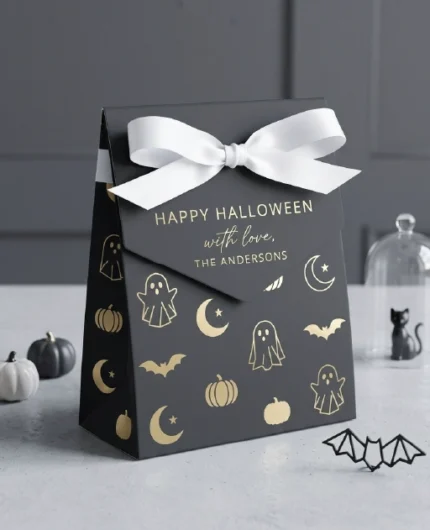
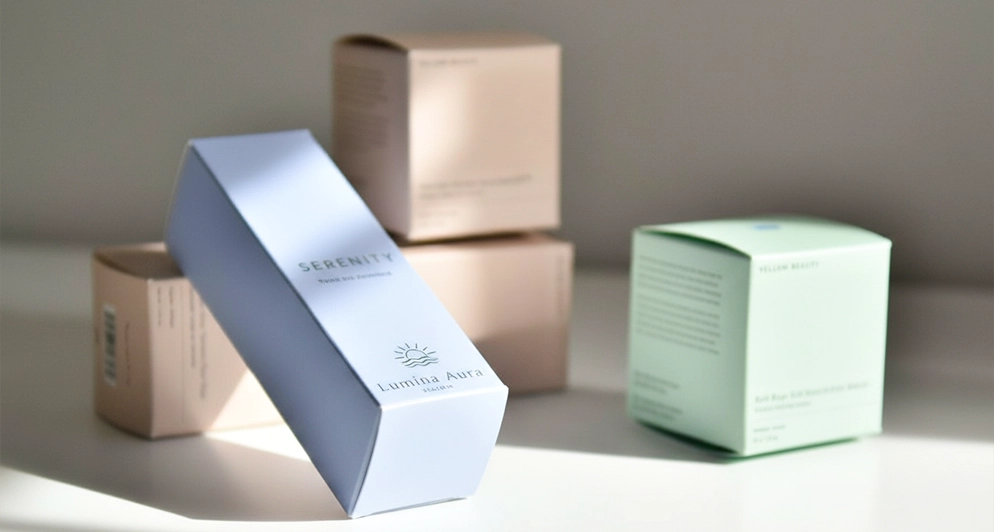
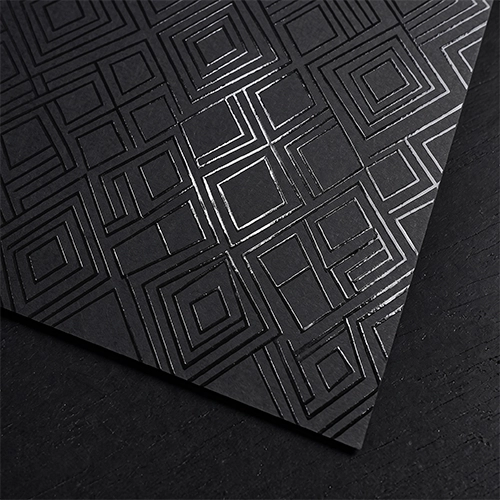
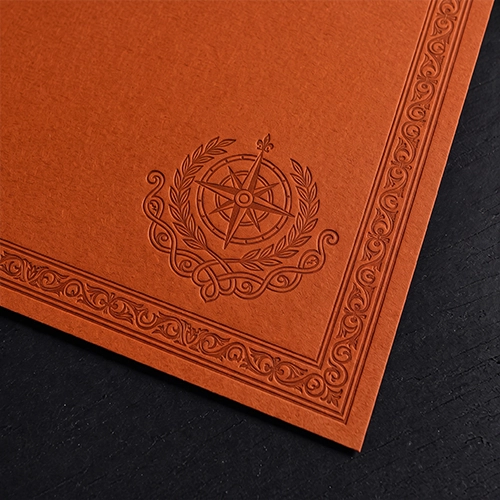
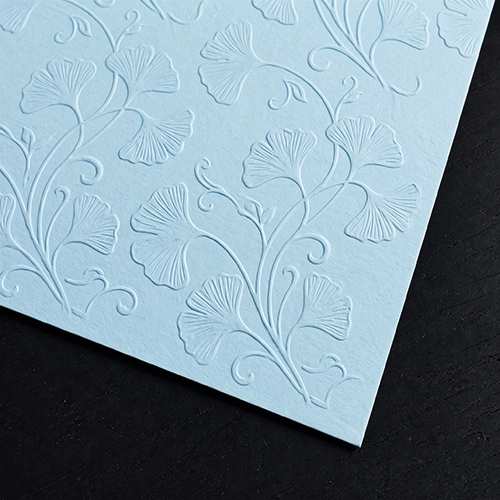
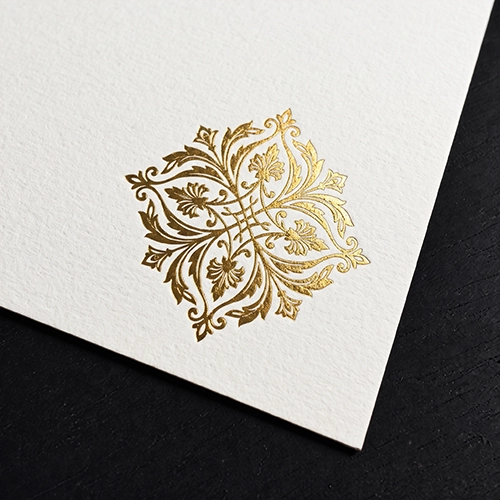
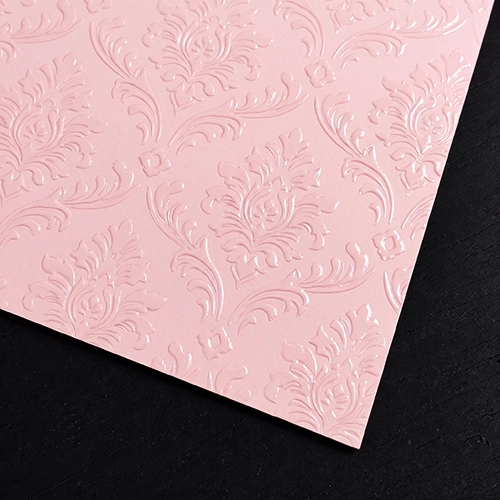
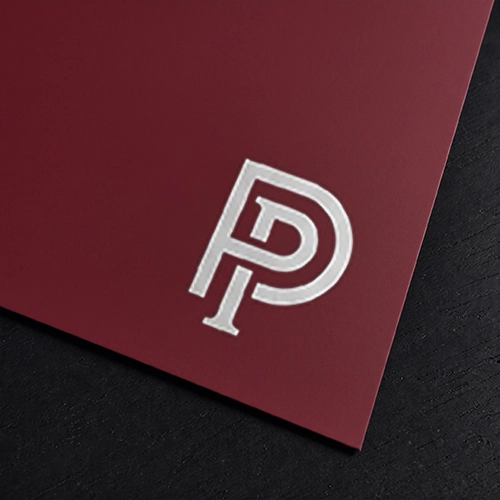
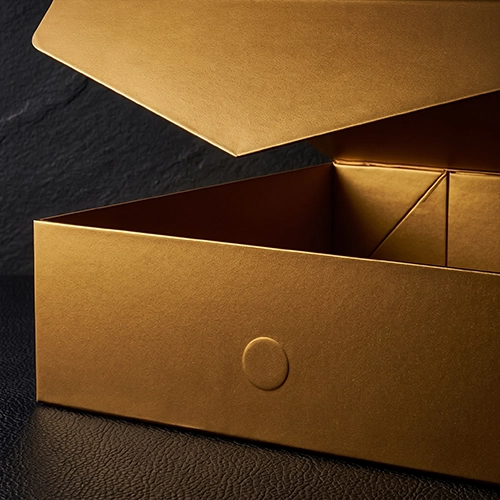
Choose add ons for a reason. Finishes should match the market. Custom Christmas Cards for bakery or party use may need practical coatings, while premium gift sets may use matte, gloss, soft touch, foil stamping, embossing, debossing, and spot UV. A matte surface can feel soft and calm. Gloss can work for bright seasonal themes. Foil can highlight a logo or short message. Spot UV can guide attention to one detail. We can help you select finishes that suit your budget and target buyer. This keeps the packaging attractive without moving away from the product purpose.
Let iBOX Factory Prepare Custom Christmas Cards
Let the box guide the buyer. Customisation gives you room to sell more than one seasonal offer. You can adjust flat, folded, square, portrait, landscape, die cut edge, and tag shapes, material thickness, insert layout, print coverage, window placement, and closure style. Brands often need one version for retail, one for ecommerce, and one for gift sets. We can prepare these versions from one clear packaging direction, which saves time during seasonal planning. Your packaging stays consistent, while each box still fits the product, price point, and channel.
Order Corporate Christmas Cards Before the Rush
Build the layout around the season. Seasonal packaging works best when it is planned before the rush. We support you with box style advice, dieline setup, artwork review, material guidance, sample planning, and production support. This is helpful for business owners, marketing managers, corporate gifting buyers, retail store owners, ecommerce sellers, stationery brands because every delay can affect launch timing. You can share product size, quantity, shipping needs, and artwork direction. The team can then suggest a packaging plan that fits your intent, your buyers, and your seasonal selling window.
Why Buy From iBOX Factory
We work as your packaging partner, not just a box supplier. You can get help with product fit, material choice, dieline setup, artwork review, inserts, finish options, and production planning. This makes your custom Christmas cards easier to order and easier to use when your seasonal campaign goes live. Share your product size, quantity, artwork needs, and launch date with iBOX Factory. The team can help you choose the right structure, material, print, and add-ons for your custom Christmas cards.
FAQs
What box styles work best for custom Christmas cards?
Good options include folded cards, flat cards, insert cards, envelope sets, tag cards, thank you cards, and product note cards. iBOX Factory can suggest the right style based on product size, weight, display method, and order volume.
Can I order custom Christmas cards in custom sizes?
Yes. You can request custom length, width, depth, shape, inserts, and closures so the box fits your product and packing process.
What materials can I use for custom christmas cards?
Common choices include premium cardstock, textured paper, recycled paper, coated card, Kraft card, and heavy cover stock. The best material depends on product weight, shelf needs, and shipping conditions.
Can iBOX Factory help with artwork and dielines?
Yes. We can help prepare dielines, review artwork placement, and guide print areas before production.
Which add ons are useful for this packaging?
Useful add ons may include envelopes, belly bands, foil seals, die cut edges, rounded corners, and ribbon ties. You can choose them based on retail display, gifting, safety, and packing speed.