


Interior Clearance Built From the Pop-Up Mechanism Dimensions
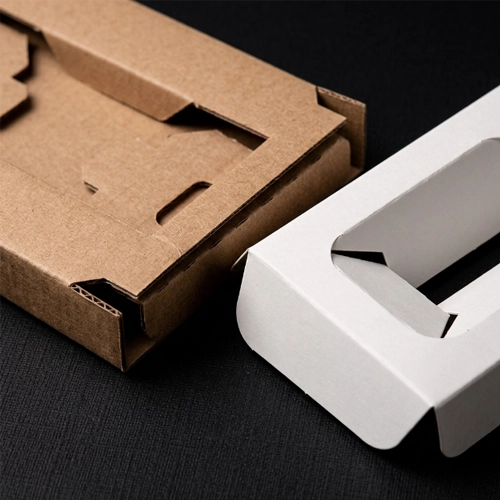
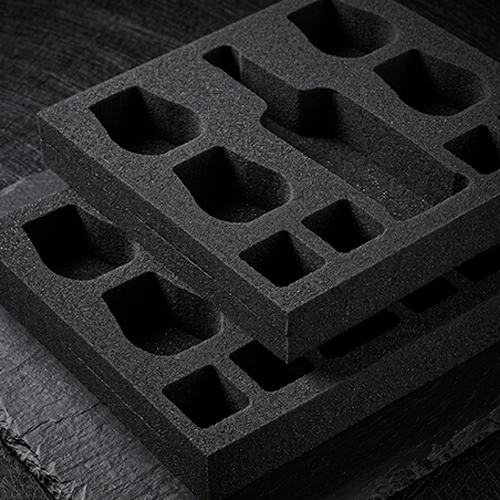
Before any design decision is made, we need to understand the specific pop-up mechanism. How high does it extend when fully activated? What is the flat footprint of the card? What pressure does the mechanism exert on the card faces when in the stored position? These dimensions determine the interior clearance requirements of the box. Too much clearance and the card slides. The mechanism may partially activate from the movement. Too little and the pressure crushes the delicate folds. We map the mechanism first and build the box around it.
Rigid vs Folded Card Outer Formats
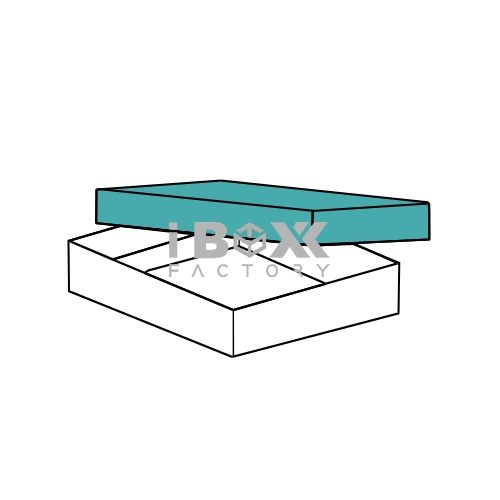
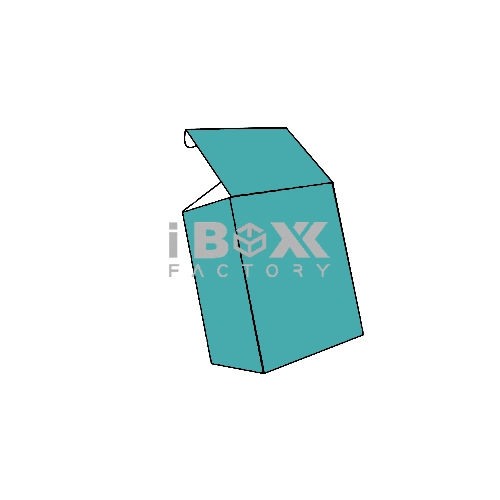
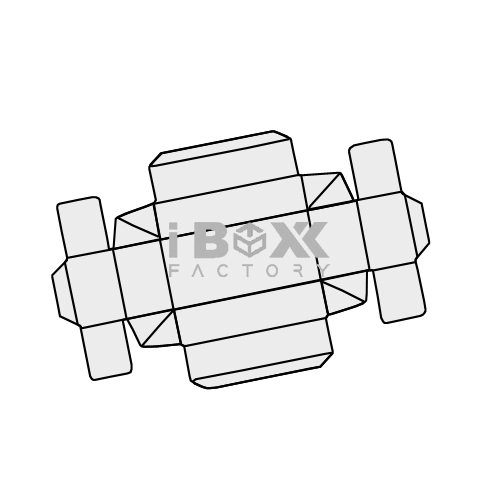
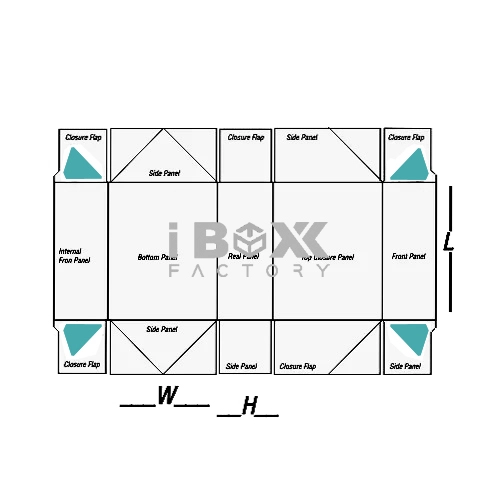
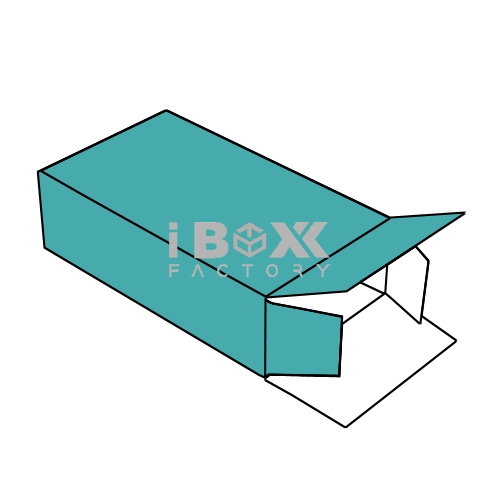
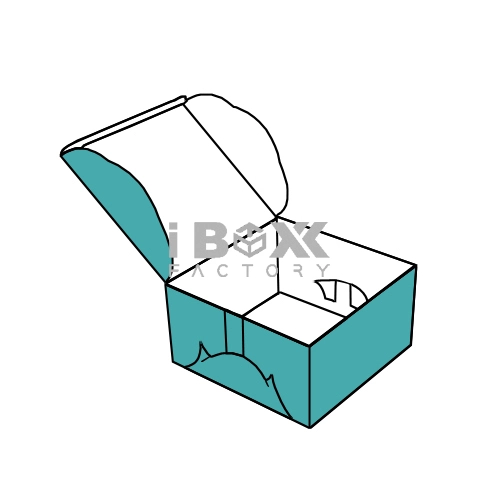
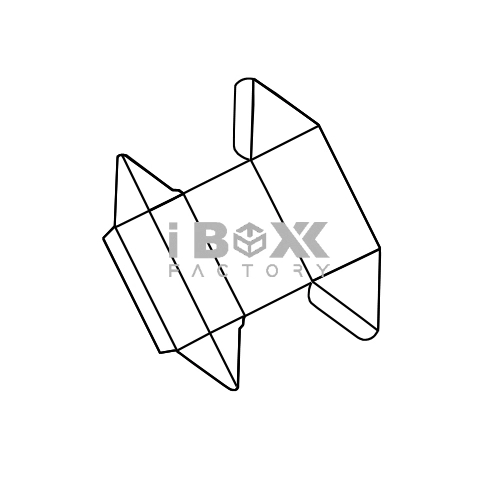
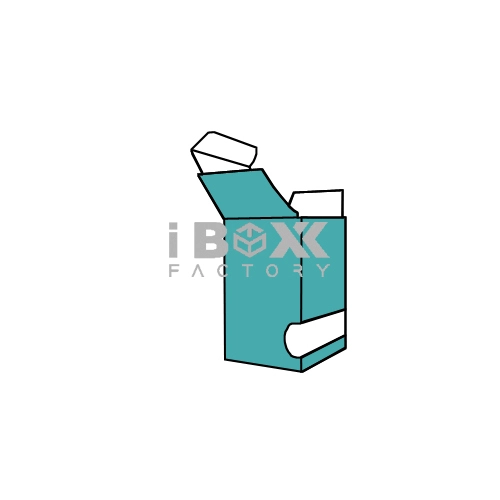
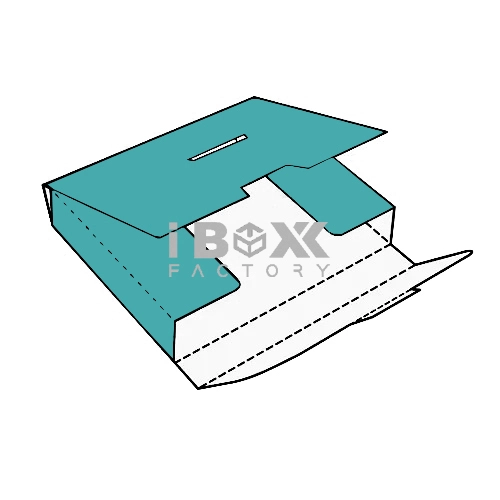
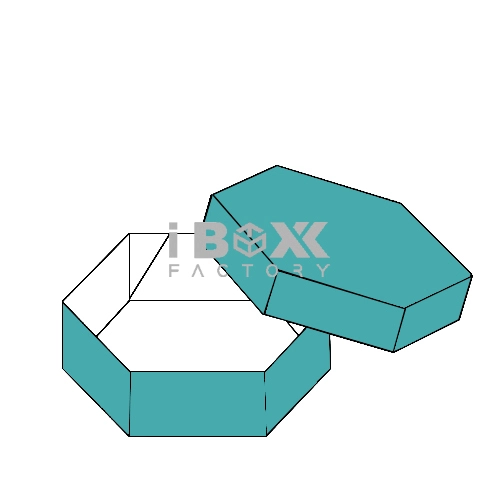
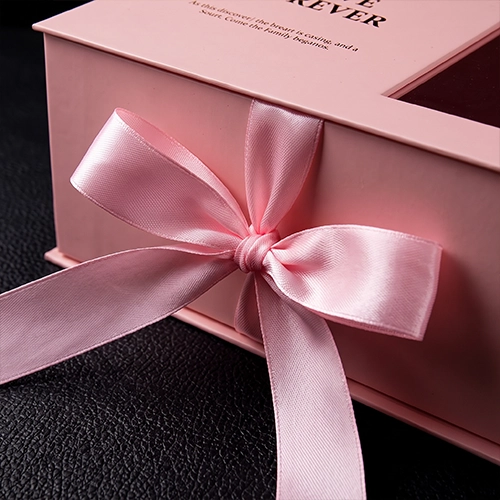
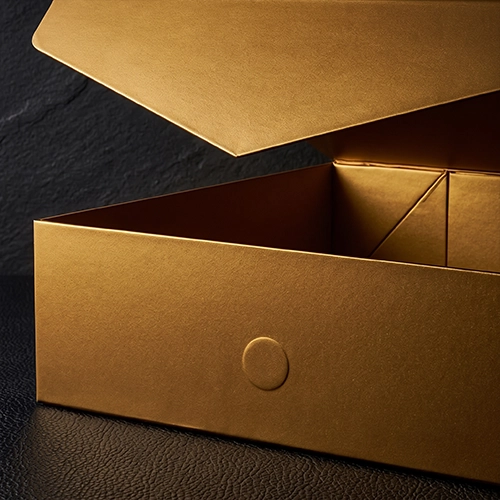
Some 3D card products suit a rigid box with a lift-off lid that presents the card in a fixed interior position when opened. This format is common for luxury occasion cards, anniversary keepsakes, and premium corporate gifting cards. Other products suit a simple folded sleeve that protects the card for retail display and postal delivery without the overhead of a rigid format. We produce both and the choice is driven by the price point of the card, the primary selling channel, and the brand’s positioning in the stationery or gifting market.
Use Print to Communicate Card Quality Before Customers Open the Box
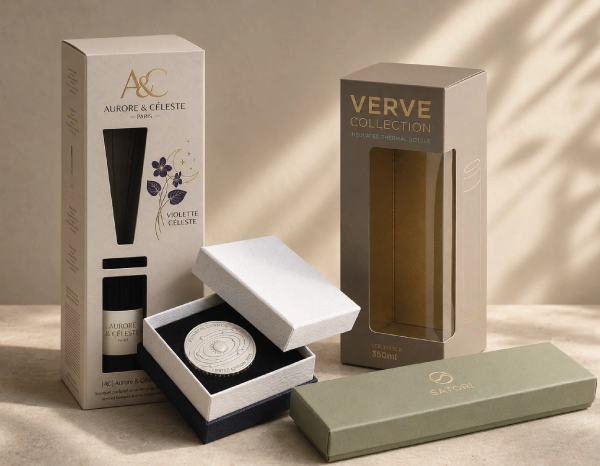
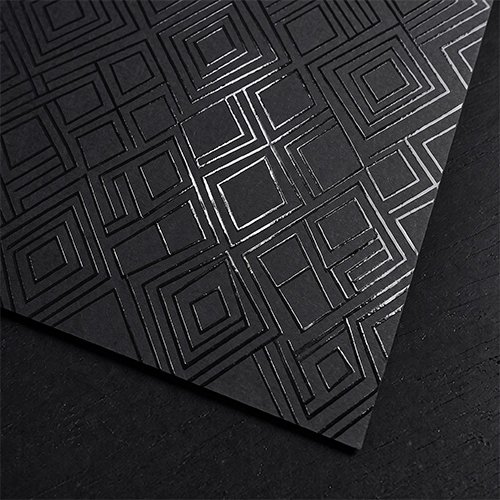
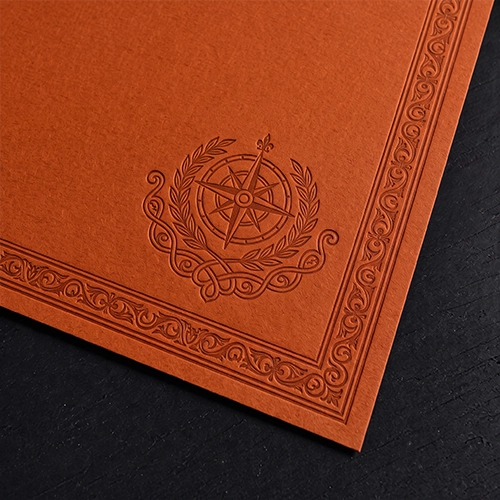
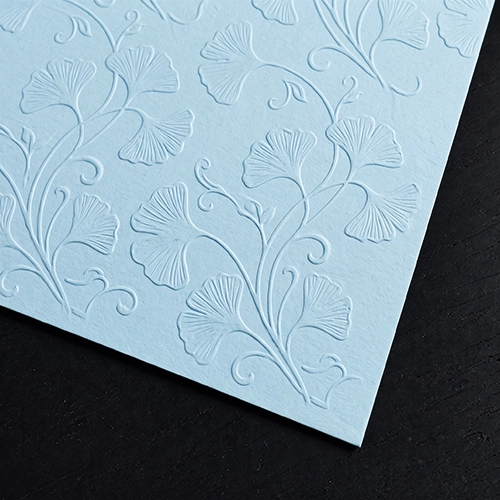
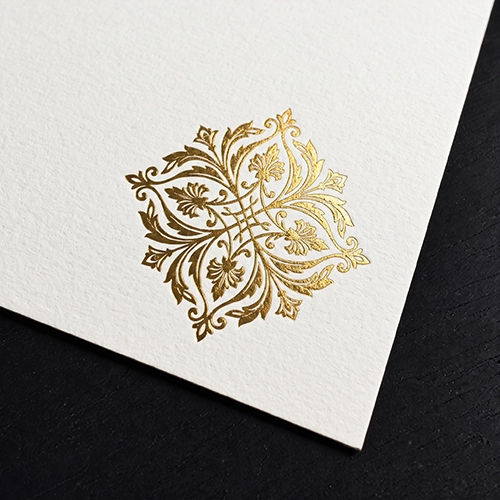
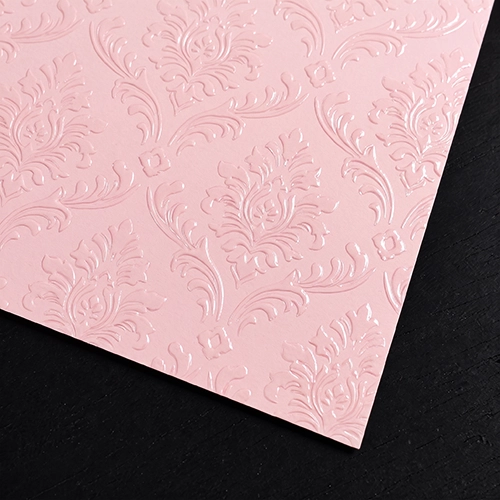
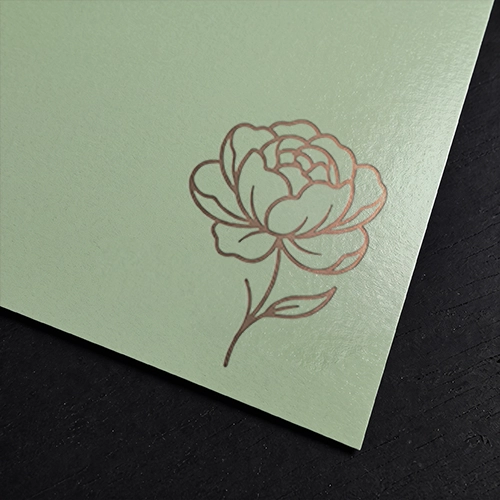
A 3D card at a premium price point needs an outer box that communicates that premium before the card is revealed. The print approach on the box sets the expectation for what is inside. An elegant typographic design with a foil-stamped occasion identifier communicates a card that is worth the price of the box alone. A vivid illustrated design that gives a preview of the card’s visual character creates anticipation. We help card brands develop outer box designs that function as part of the product’s overall quality story rather than just as protective packaging.
Retail and Postal Formats for Every Distribution Channel
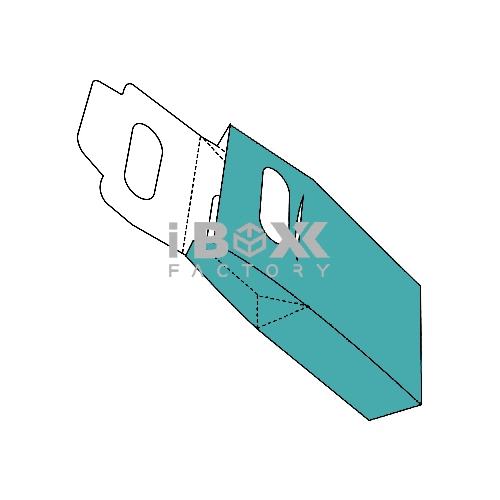
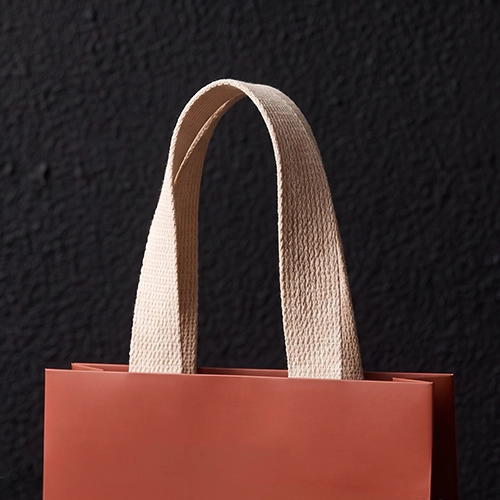
3D card products are sold through gift shops, stationery retailers, and online platforms, and sent by post as direct-from-brand purchases. Each channel has different requirements. A retail display box needs to stand on a shelf, communicate the card’s visual character, and protect it through retail handling. A postal format needs to survive the postal system without the mechanism being damaged. We produce boxes for both contexts and many card brands need both for different distribution channels simultaneously.
Personalization and Occasion Range Management
Card brands selling across multiple occasions benefit from a packaging system where the box structure stays constant and the occasion-specific design changes per product. A birthday range, a wedding range, a seasonal collection. Same structure. Different exterior design. No new die plate charges between occasions. We build these range systems for card brands from the first design so every new occasion card launches on the same foundation without a new packaging brief from scratch.
FAQs
How is the interior clearance determined for a 3D card box?
We map the fully activated mechanism height, the flat footprint of the card, and the pressure the mechanism exerts in the stored position before making any interior dimension decisions.
Can 3D card boxes work for both retail display and postal delivery?
Yes. We produce formats for both contexts. Many card brands need both for different distribution channels.
What is the minimum order for custom 3D card boxes?
100 units per specification. Request your quote today.
How quickly does iBOX Factory produce custom 3D card boxes?
10 to 12 days from artwork approval with free delivery across the USA.


