







Choose a Box That Matches the Cold Chain Job
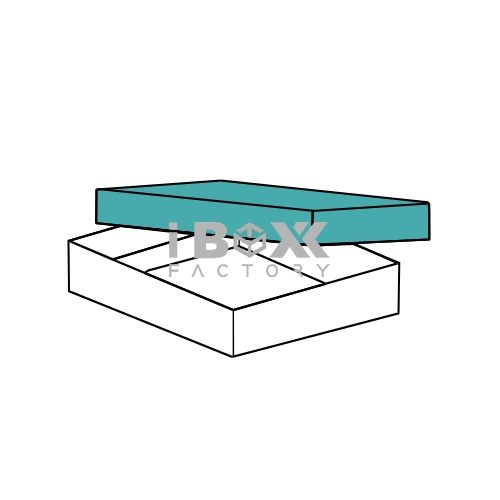
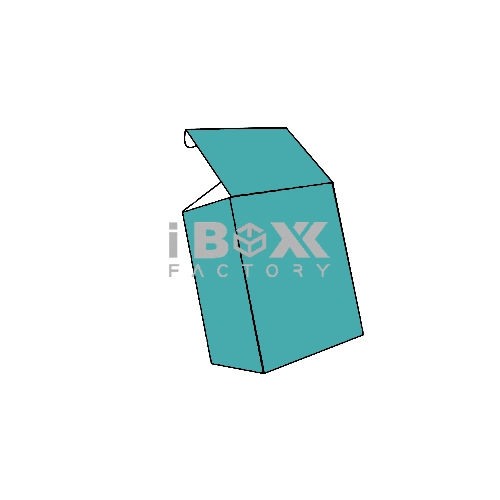
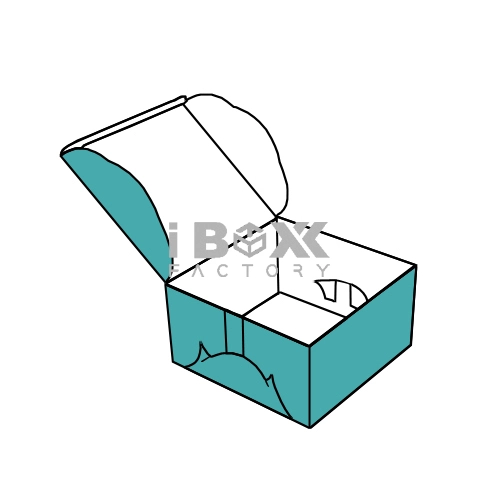
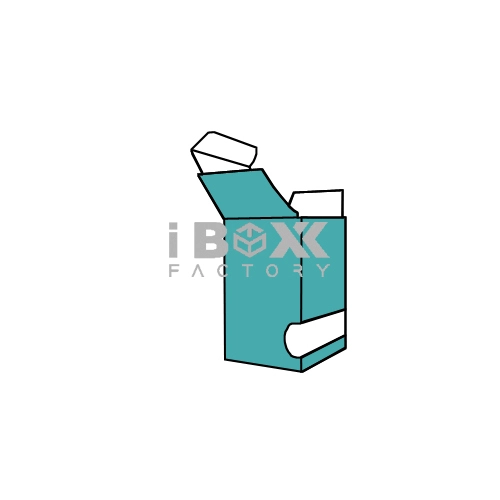
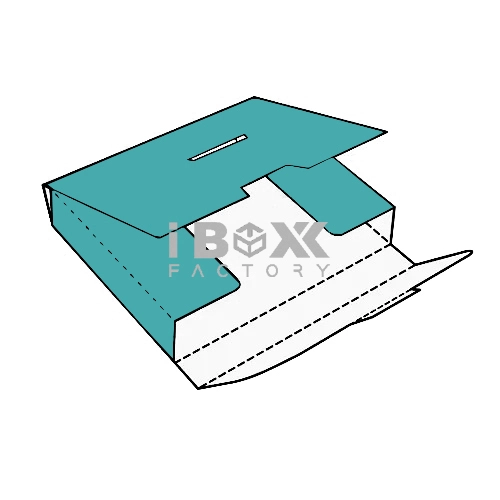
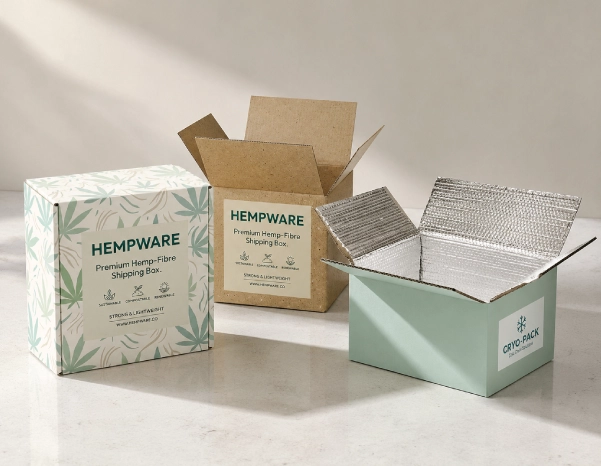
Dry ice packaging needs a box plan that starts with the product, not the print. Frozen meals, lab samples, seafood, desserts, and medical items all need different spacing and support. Your outer box must fit the insulated shipper, gel packs, dry ice space, and product trays without loose movement. We help you choose corrugated shipping boxes, insulated box sleeves, mailer style cartons, and strong outer cartons based on your shipment weight. The structure can include room for vents and required shipment labels where needed. This helps your packers prepare orders faster and keeps the package easier to identify in transit. A better fit also reduces waste because you use less void fill and fewer oversized cartons.
Use Materials That Can Handle Weight and Cold
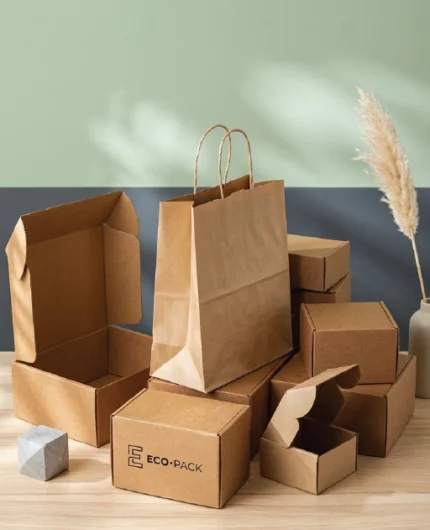
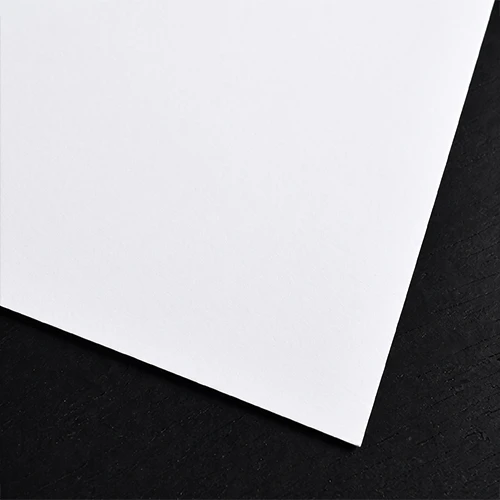
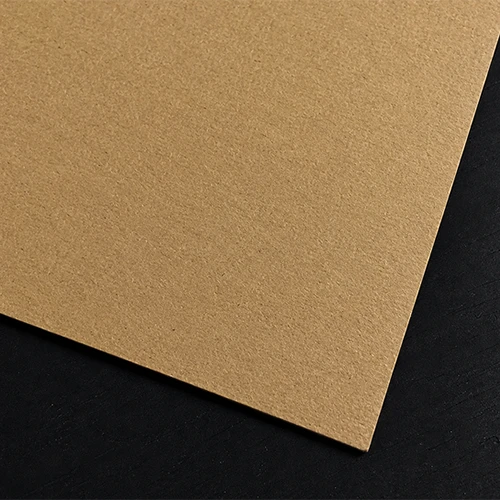
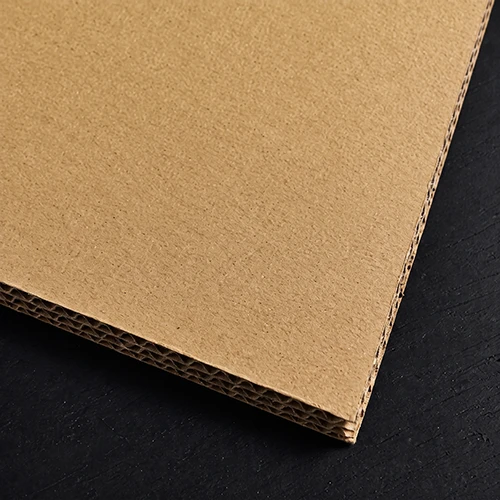
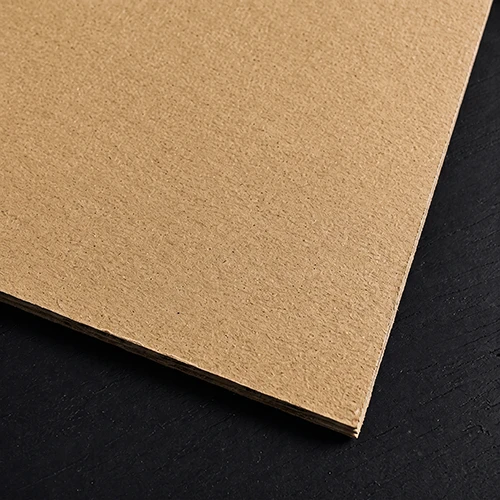
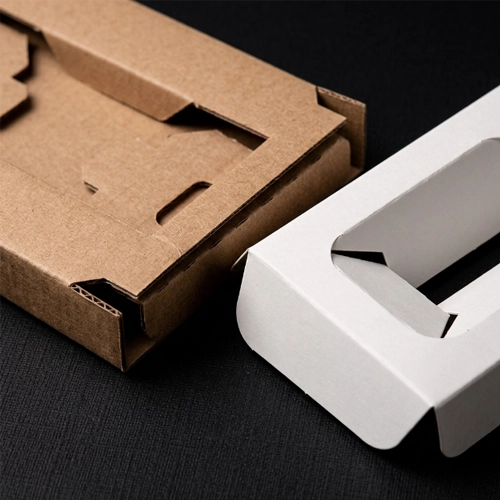
The material choice affects how your box performs through stacking, handling, and delivery. Most dry ice orders need corrugated board because it gives strength without making the package too heavy. Single wall boards can work for lighter shipments, while double wall boards suit heavier or longer travel routes. Kraft corrugated gives a natural look for food brands, and white corrugated gives you a cleaner print surface for healthcare or premium frozen goods. We can guide you on board grade, flute type, and outer coating needs based on your product and shipping method. You can also pair the box with insulated liners or foam inserts when the product needs extra temperature support. This gives your team a more complete packaging setup instead of a basic carton.
Place Labels Where Carriers Can Read Them Fast
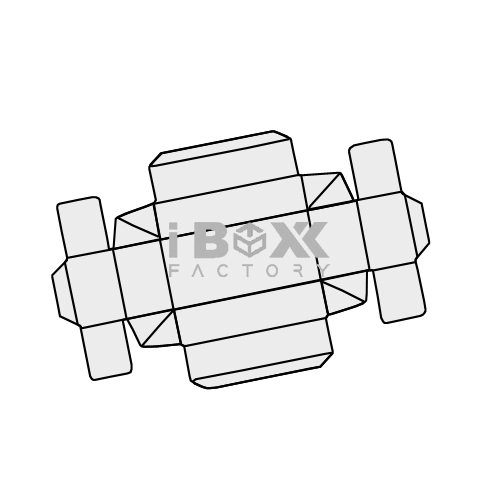
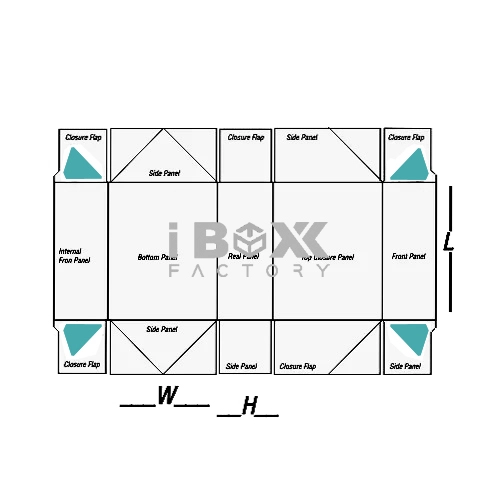
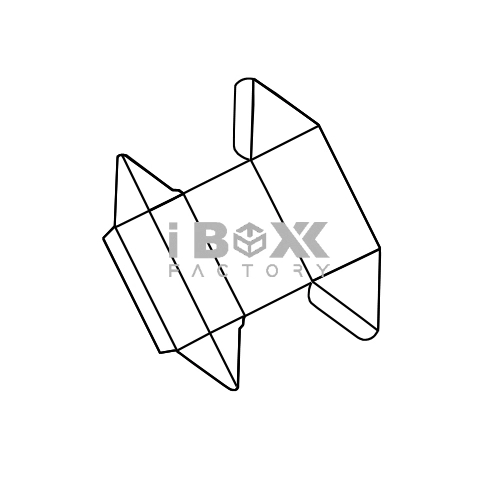
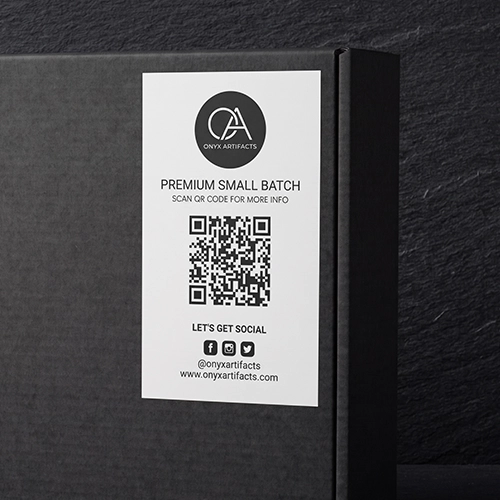
Dry ice shipments need clear label space because handling teams need to spot shipping details quickly. Your box design should leave clean panels for product name, instructions, barcodes, shipment labels, and dry ice related markings when required. We can build dielines with flat label zones so print and shipping stickers do not compete with each other. This matters for frozen food sellers, labs, and healthcare shippers that need each parcel to move through fulfillment without confusion. You can keep brand graphics simple while still giving key handling details enough space. The goal is not to crowd the box. The goal is to make the package easy to process, easy to read, and easy to trust.
Match Print Style with Product Trust
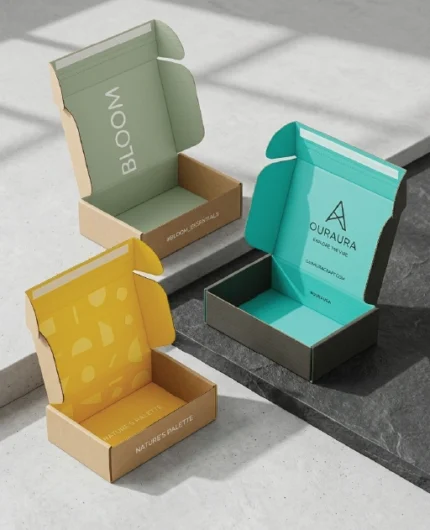
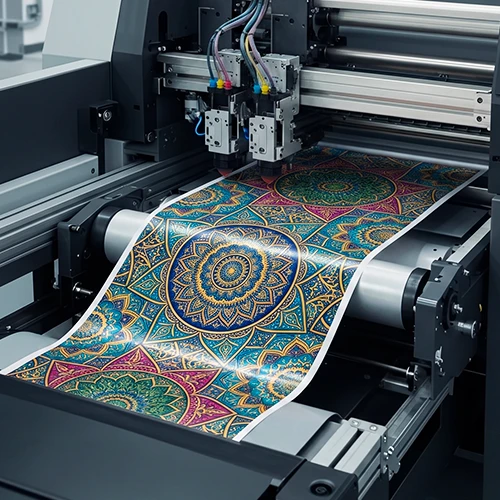
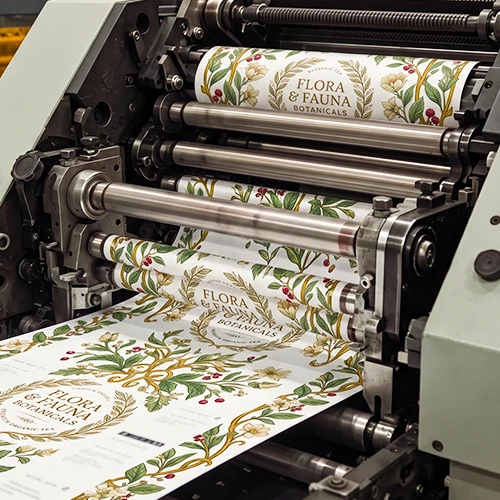
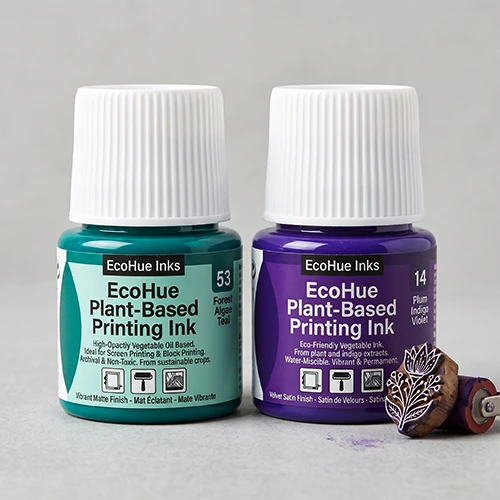
Cold chain products often need packaging that looks careful, not loud. Food brands may use clean colour blocks, product icons, batch labels, or simple outer branding. Labs and healthcare suppliers may prefer a more clinical layout with product codes and clear handling panels. We offer flexographic print, offset print for higher detail, digital print for smaller runs, and simple one color print for practical shipment cartons. You can use water based inks, matte finish, or spot print areas depending on the box surface. The print should help your buyer recognize the package and help your staff pack it correctly. A box that looks controlled can support your brand before the product is opened.
Plan Inserts and Inner Support Before Production
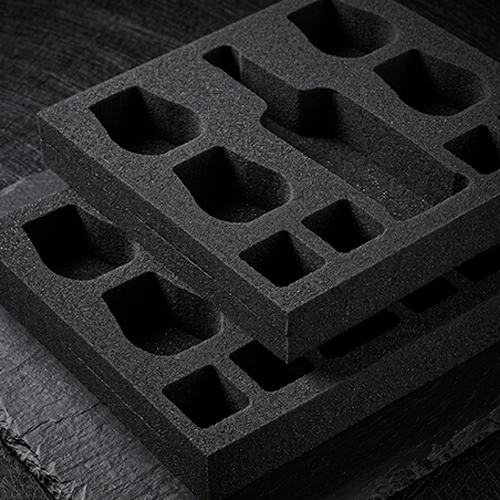
The best dry ice box is planned around the inner pack. You may need dividers, foam trays, corrugated pads, bottle grids, pouch separators, or custom void areas for dry ice placement. Our team helps you map the product, coolant, and documents before the final dieline is made. This saves time because your packaging does not rely on last minute filler or hand cut pieces. It also helps reduce product movement during delivery. Inserts can be plain, printed, removable, or sized for different product counts. If you ship several frozen SKUs, you can use one outer box with different insert options for better stock control.
Select Sizes That Reduce Empty Space
Dry ice shipping boxes are often ordered in exact sizes because extra space can raise shipping cost and reduce pack stability. Common needs include meal kit boxes, frozen dessert boxes, sample shippers, vial shipper cartons, seafood cartons, and insulated mailer boxes. We can make custom sizes around your product dimensions, dry ice allowance, liner thickness, and shipping label area. Square boxes can suit stacked packs, while rectangular boxes suit trays, pouches, or long frozen items. You can also request multiple sizes for small, medium, and bulk orders. This helps you match daily order types without using the same oversized carton for every shipment. A tighter box plan can make your fulfillment process cleaner.
Add Closures That Support Warehouse Speed
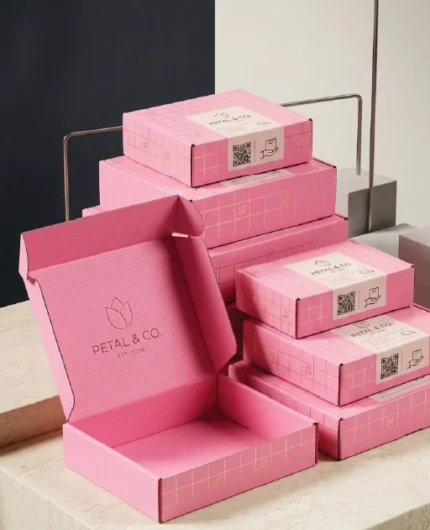
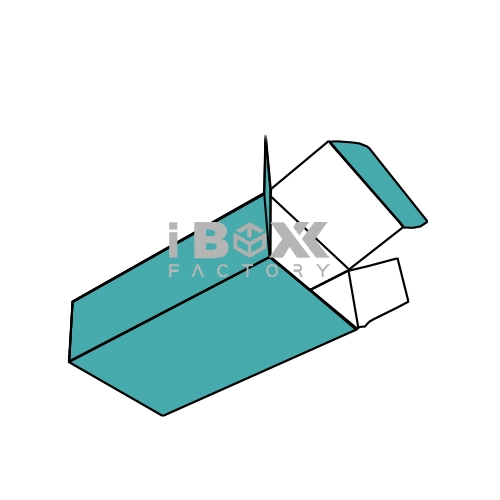
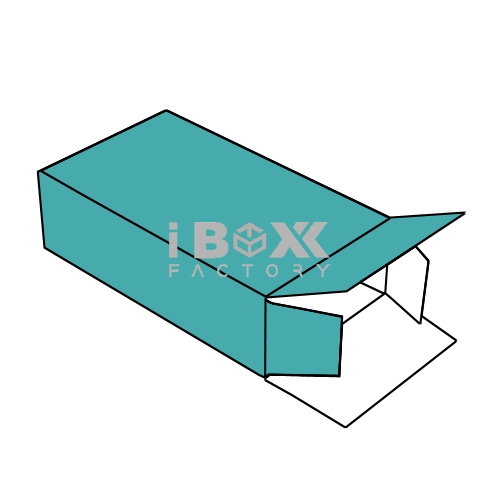
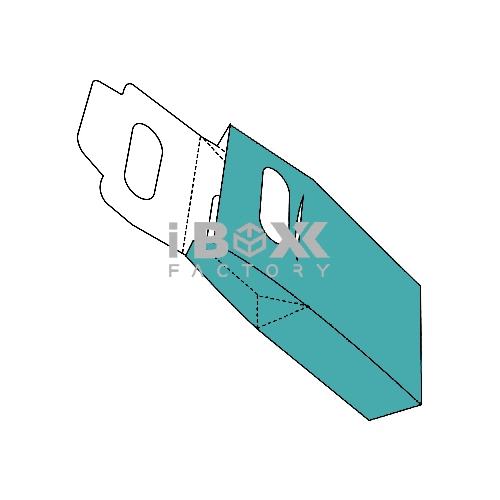
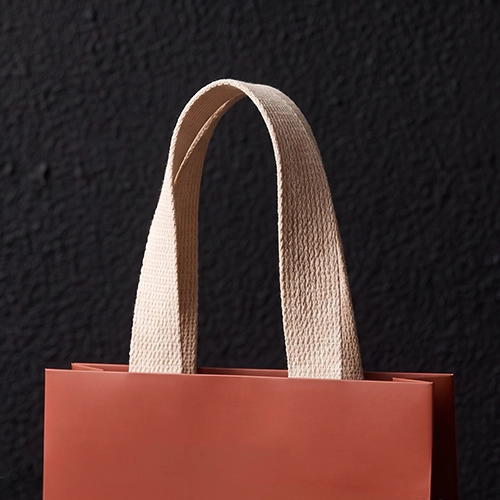
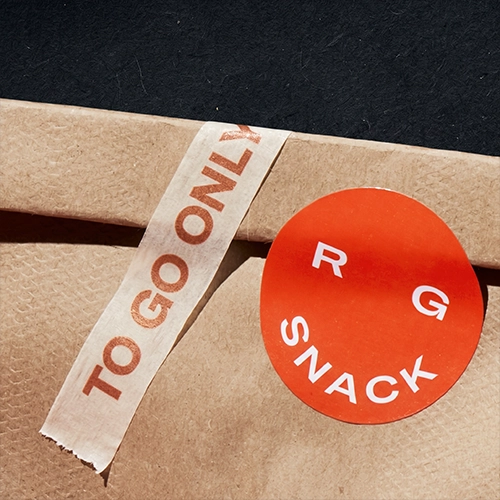
A cold chain order often moves under time pressure. Your box closure should be easy for packers to use while keeping the outer carton firm. Regular slotted cartons, front lock mailers, tuck top cartons, and self seal options can work depending on product weight and route. iBOX Factory can add tear strips, tape guides, locking tabs, or reinforced flaps when the job needs better closure control. Handles may also help on larger cartons if they do not affect the box strength. Your team can test how fast each style packs before you order full production. The right closure can reduce packing mistakes and help orders leave the warehouse on time.
Give Buyers a More Assured Delivery Moment
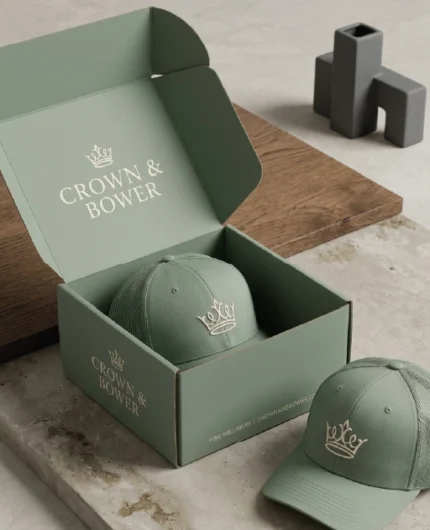
The box is often the first proof that your cold product was handled with care. If your buyer receives a crushed, loose, or confusing carton, they may question the product before opening it. A planned dry ice shipping box gives the shipment a more serious feel. We can help your brand use clean print, strong board, clear panels, and practical inner parts that suit the product category. This is useful for frozen food brands, labs, specialty grocers, and health related shippers. Your packaging does not need to be flashy. It needs to show care, control, and readiness from warehouse to doorstep.
Work with iBOX Factory Before You Lock Specs
Dry ice packaging can involve several moving parts, so early planning helps. iBOX Factory reviews product size, shipment method, box strength, insert needs, artwork, and print requirements before production. You can send product dimensions, expected weight, shipping destination, and sample references so the team can suggest a better structure. The team can also support dielines, artwork checks, sample planning, and production ready files. This helps you avoid boxes that look good on screen but fail during packing. You get packaging that serves the product, the packer, the carrier, and the buyer. That is the kind of box planning cold chain products need.
FAQs
What box style works best for dry ice shipping?
Corrugated outer boxes work best for most dry ice shipments. You can pair them with insulated liners, inserts, and inner trays based on product type.
Can iBOX Factory print dry ice handling details on the box?
Yes. We can print clear panels, icons, product details, and label zones. You should confirm any required carrier or regulatory wording before final print.
Can I order custom sizes for frozen food boxes?
Yes. You can order custom sizes for meal kits, frozen desserts, seafood, lab samples, and other cold chain products.
Do these boxes replace insulated packaging?
No. These boxes usually work as the outer shipping carton. Insulated liners, foam, or thermal inserts may still be needed inside.
Can I add inserts to dry ice shipping boxes?
Yes. You can add corrugated inserts, foam trays, dividers, pads, and product holders to support the inner pack out.