




Shape The Box Around A Long Product
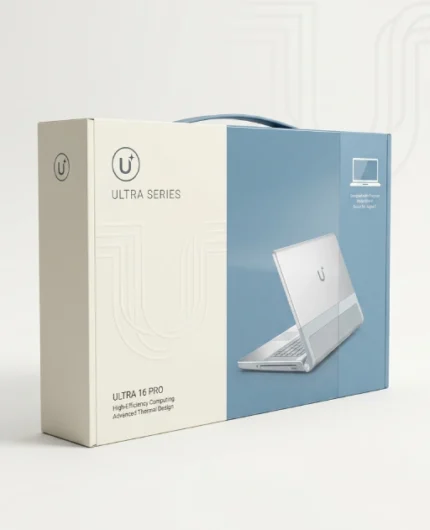
Keyboard boxes need a different plan from small electronics boxes. The product is long, flat, and easy to damage at the corners. Keycaps can scratch. Switches can press against the lid. Cables, receivers, and manuals need their own place. iBOX Factory starts with the keyboard size and style, then builds a structure that supports the full length of the product. A slim office keyboard may need a lighter folding carton. A mechanical keyboard may need a stronger tray. A gaming keyboard may need a larger retail box with space for feature panels. The goal is simple. The keyboard should sit tight, look neat, and arrive ready for use.
Let The Buyer Feel The Product Category From The First Panel
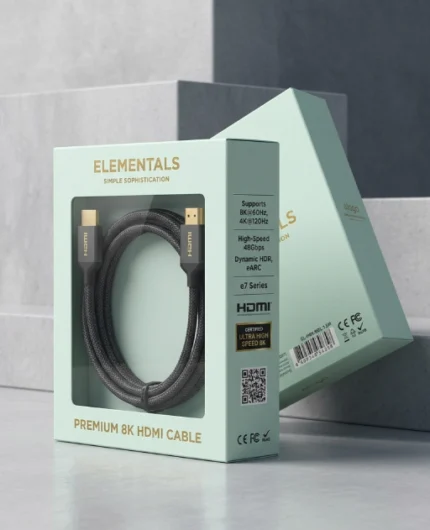
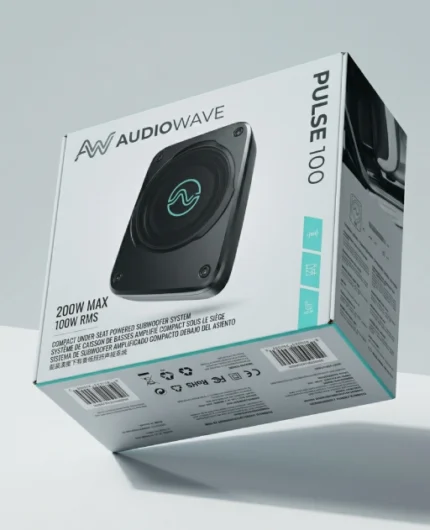
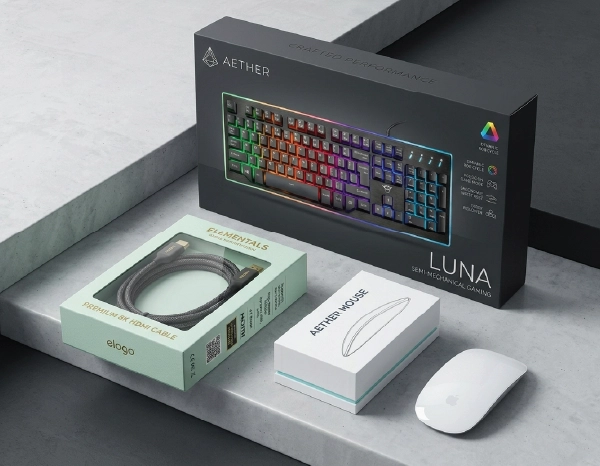
A keyboard box should make the product type clear fast. Gaming buyers look for switch type, lighting, layout, polling rate, wired or wireless use, and software support. Office buyers care about comfort, battery life, quiet keys, and device compatibility. Mechanical keyboard fans may want keycap profile, switch name, layout size, and hot swap details. Your artwork should lead with the most useful facts. The front panel can show the keyboard image and main feature. The side can carry layout and connection details. The back can explain specs in a clean chart. Gaming Packaging Boxes can help if your keyboard line sits beside mouse boxes, headset boxes, and speaker boxes.
Choose Structures That Hold Length Without Sagging
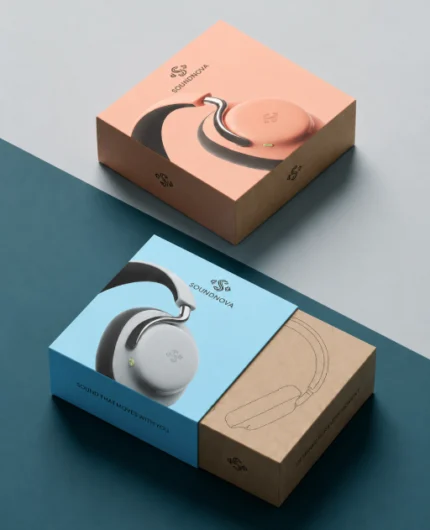
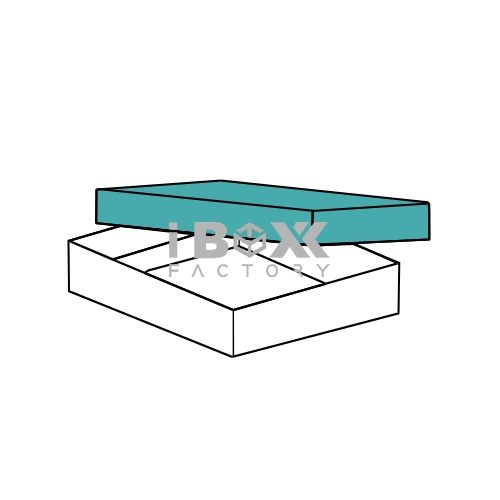
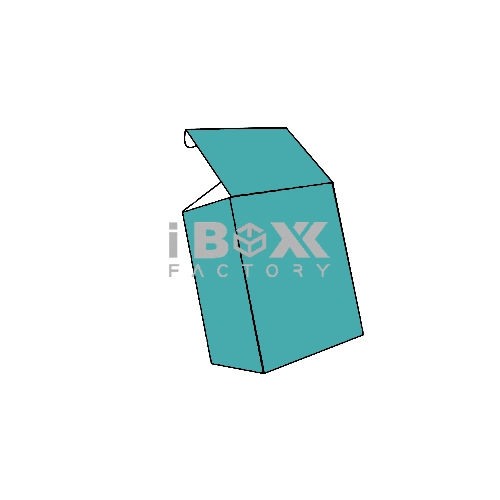
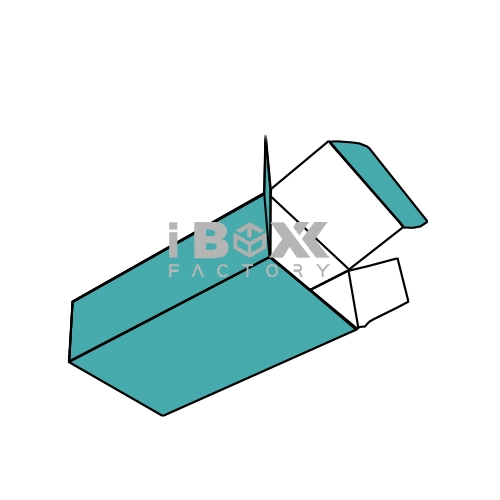
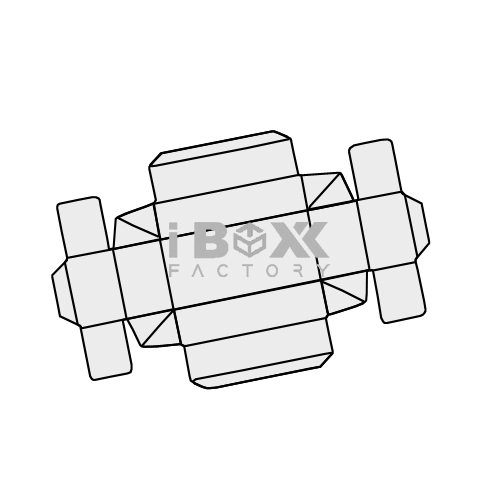
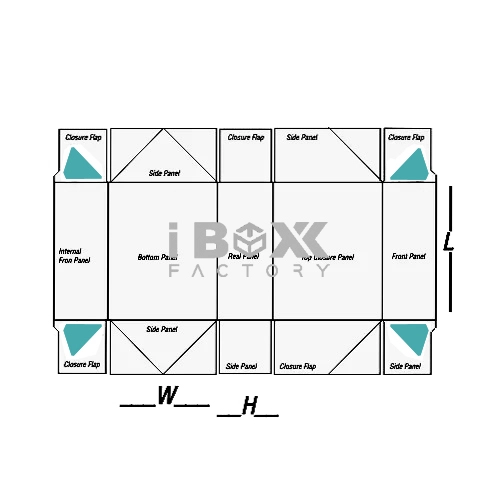
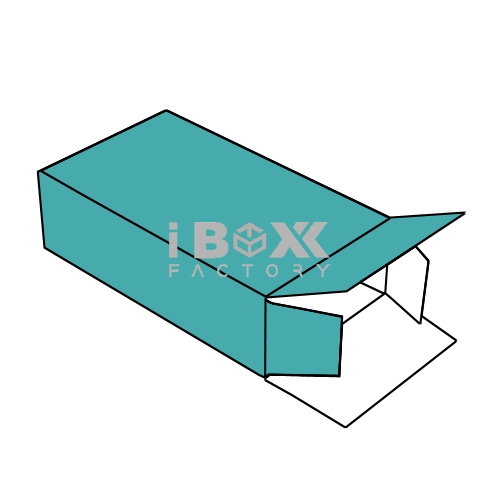
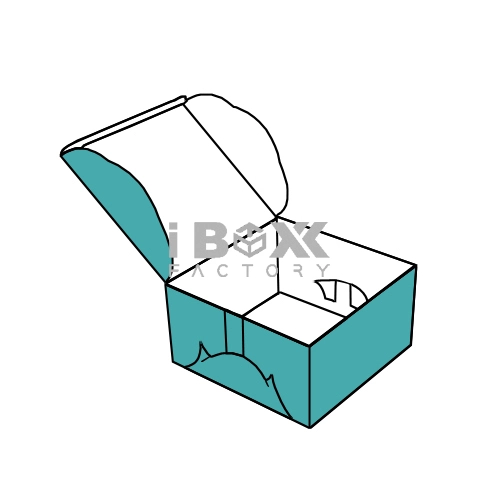
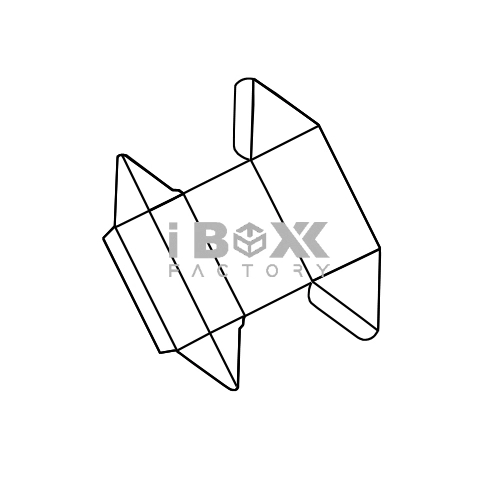
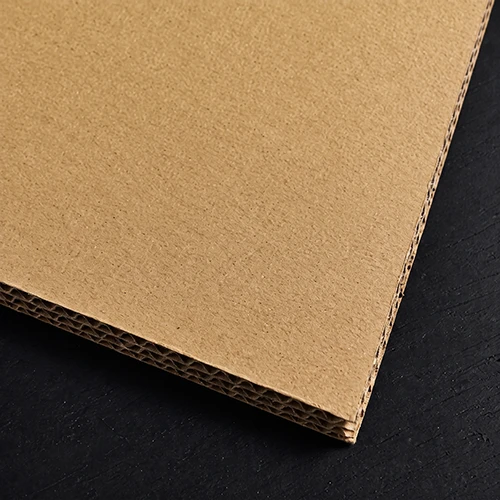
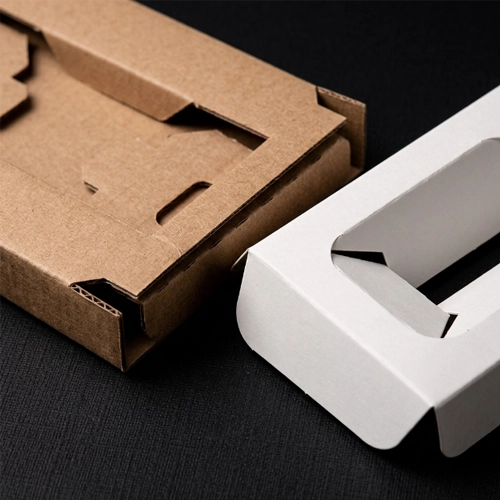
Long products need boxes that resist bending. Tuck end boxes work for lighter keyboards and shorter retail runs. Corrugated keyboard boxes suit ecommerce shipping and bulk supply. Rigid boxes work well for premium mechanical keyboards, creator kits, and limited product launches. Sleeve and tray styles can give a clean opening without making the box too deep. Book style boxes can support higher value kits with extra keycaps, switch pullers, cables, and cards. For ecommerce, a corrugated outer box with a paperboard inner tray gives stronger protection. Rigid Boxes can suit premium keyboard drops, while Corrugated Boxes are often better for direct shipping and returns.
Give Keys And Accessories Their Own Space
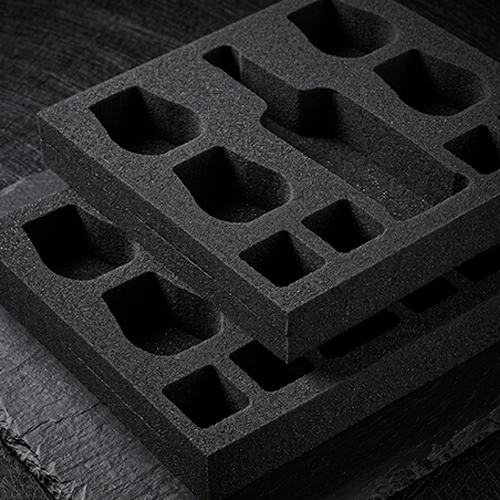
The inside of a keyboard box matters as much as the outside. A molded pulp tray can hold the keyboard across its length. A paperboard tray can support lighter models. EVA foam can protect premium products with glossy parts or special keycaps. A cable pocket keeps USB cables from pressing into keys. A small recess can hold a wireless receiver. An accessory section can hold extra keycaps, switch tools, manuals, and warranty cards. If the keyboard has a wrist rest, the box needs a deeper insert or separate section. Custom Inserts help keep each part in its place, so the first opening feels organized instead of crowded.
Use Materials That Fit The Keyboard Price Point
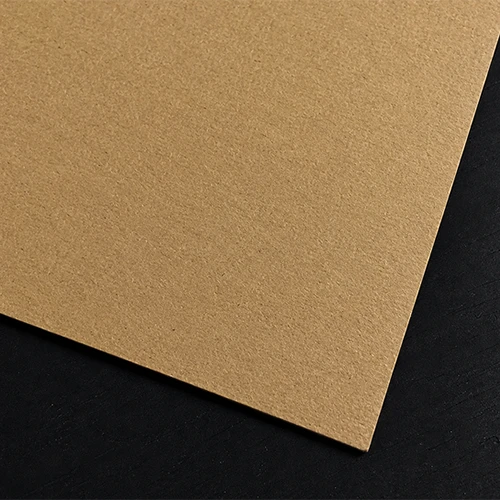
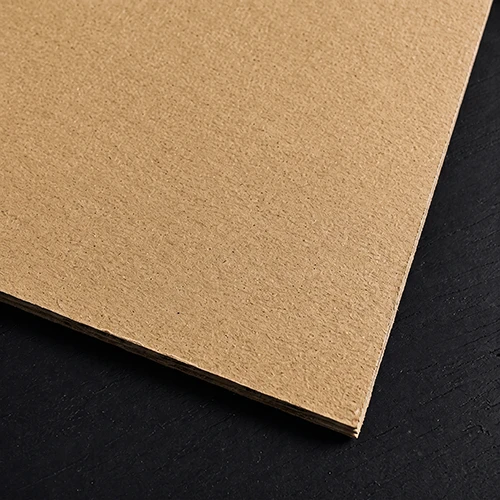
Office keyboard boxes often use SBS paperboard or light corrugated board. Gaming keyboard boxes may need thicker paperboards with a strong finish because the artwork carries more product energy. Mechanical keyboard boxes often use rigid board, corrugated board, or a hybrid sleeve and tray setup. Kraft boards can work for simple private label or eco style lines. Micro flute corrugated board can give strength without making the box look too industrial. The material should reflect product value and shipping risk. iBOX Factory helps you match board thickness, flute type, insert material, and print surface to your keyboard weight, size, and sales plan.
Print Features In A Way Buyers Can Scan
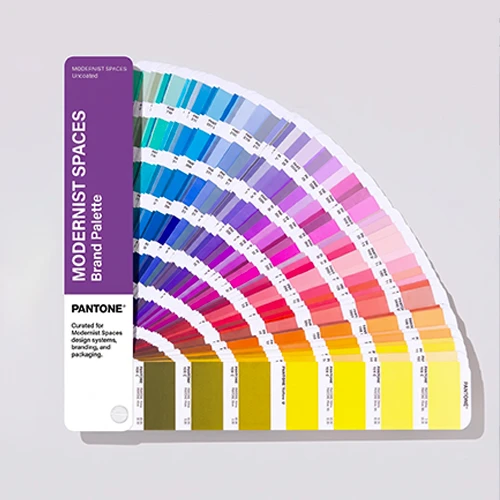
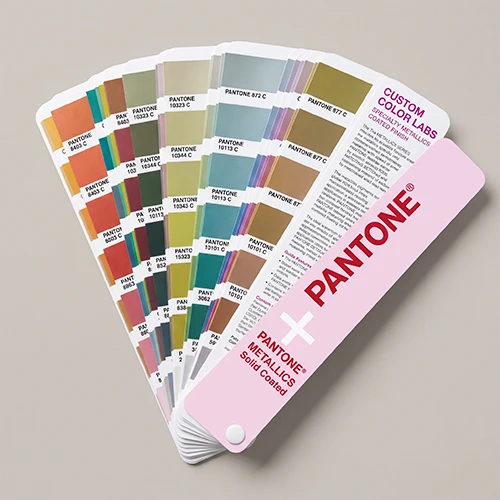
Keyboard boxes often carry many specs, but too many claims can hurt clarity. Group the information by use. Put the main feature and product image on the front. Put switch type, layout, connection, lighting, and compatibility on side panels. Use the back for a simple table, product diagram, and support QR code. Leave enough room for barcode, SKU, serial label, and retailer stickers. Offset printing helps larger runs with high image quality. Digital printing helps samples and smaller batches. Pantone matching can keep the brand color consistent across keyboard boxes, mouse boxes, and headset packaging. Custom Electronics Boxes can help you build a full product family with one clear visual system.
Select Finishes That Suit Gaming Or Office Shelves
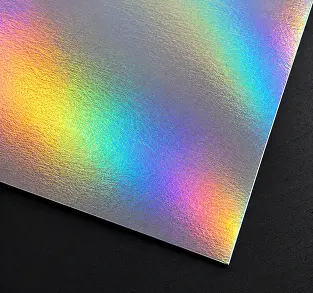
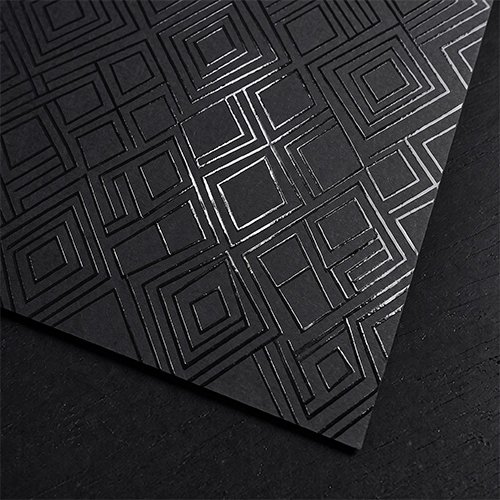
Gaming keyboard packaging often uses bold graphics, dark panels, and sharp highlights. Matte lamination can make dark designs feel cleaner. Spot UV can highlight the logo, lighting effect, or switch feature. Gloss coating can help product images stand out. Soft touch coating can suit premium mechanical keyboards. Anti scuff coating helps black boxes stay cleaner during handling. Office keyboard boxes often need a more practical finish, such as matte or aqueous coating. Foil may work for limited edition mechanical keyboards, but it should not compete with specs. iBOX Factory can help you choose finish options that match the product price and shelf setting.
Plan Sizes For Full Size, TKL, And Compact Layouts
Keyboard packaging commonly needs several sizes. Full size keyboards need long rectangular boxes with enough depth for accessories. TKL keyboards need shorter boxes but still need corner support. Compact 60 percent and 75 percent keyboards can use smaller rigid boxes or cartons. Wireless keyboards may need battery, receiver, and manual space. Gaming bundles may include mouse pads, wrist rests, extra keycaps, or cables. iBOX Factory can create a size range that keeps your artwork system steady while each model gets the right fit. This matters when your line includes office keyboards, gaming keyboards, and mechanical keyboards under one brand.
Think About Shipping Before The Box Goes To Print
A keyboard box may look good on a shelf and still fail during shipping. Long corners can crush. Lids can open. Inserts can shift. Labels can cover important artwork. iBOX Factory checks the shipping path before production. Ecommerce keyboard boxes may need stronger boards, locked closures, outer cartons, or protective inserts. Retail boxes may need carton packing rules so the print stays clean in transit. Return friendly structures can help customers repack the keyboard if needed. If your brand sells through marketplaces, clear barcode panels and shipping label zones can save time. The right structure protects both the product and the customer experience.
Create A Keyboard Box That Feels Ready For The User
Custom keyboard boxes should protect the product, explain the features, and support the first moment of use. The buyer should open the box and understand where everything sits. The keyboard, cable, receiver, manual, warranty card, and accessories should feel planned. iBOX Factory gives you freedom with size, structure, board type, insert, finish, print, QR panels, barcode areas, and accessory compartments. You can make boxes for mechanical keyboards, wireless keyboards, gaming keyboards, and office keyboards. When the box fits the product and the buyer, your keyboard line feels easier to trust and easier to sell.
FAQs
What structure works best for keyboard boxes?
Tuck end boxes work for light keyboards. Corrugated and rigid boxes suit heavier gaming and mechanical keyboards.
Can keyboard boxes include cable pockets?
Yes. You can add sections for cables, wireless receivers, manuals, warranty cards, wrist rests, and extra keycaps.
Can I make different sizes for keyboard layouts?
Yes. You can create boxes for full size, TKL, 75 percent, and 60 percent keyboard layouts.
Which finish suits gaming keyboard packaging?
Matte lamination, spot UV, gloss, soft touch, and anti scuff coating can work well for gaming keyboard boxes.
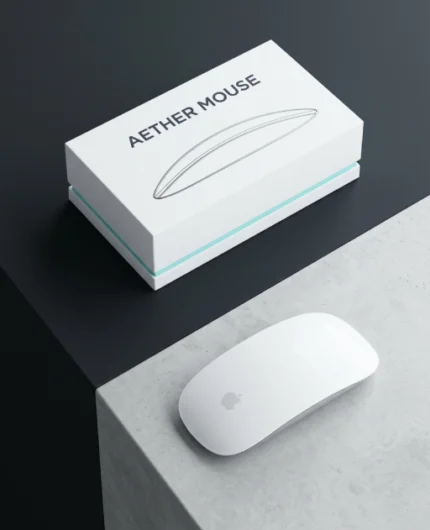
Can iBOX Factory make matching mouse and keyboard packaging?
Yes. iBOX Factory can create matching packaging for keyboards, mouse boxes, headsets, speakers, and other electronics.