

Match the Box Style to the Product Journey
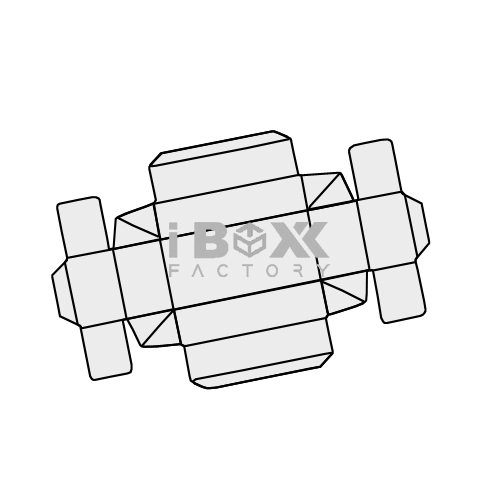
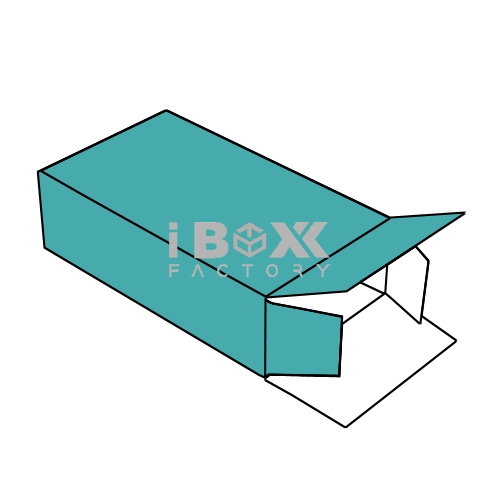
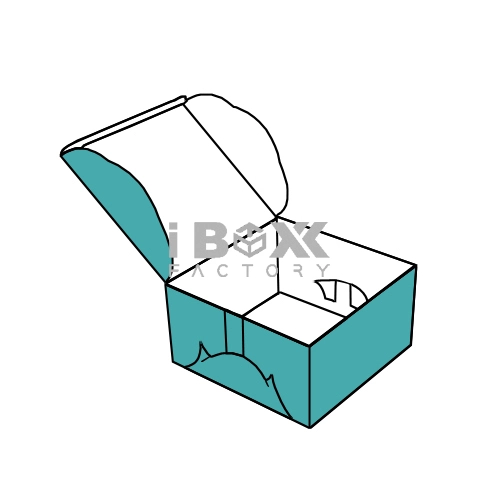
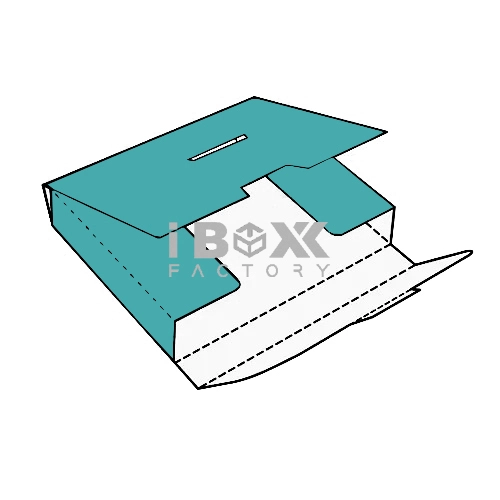
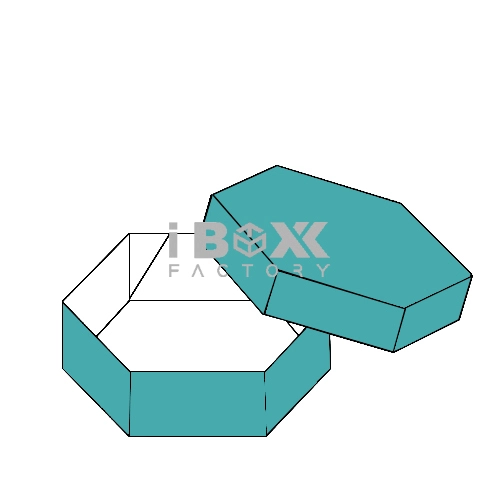
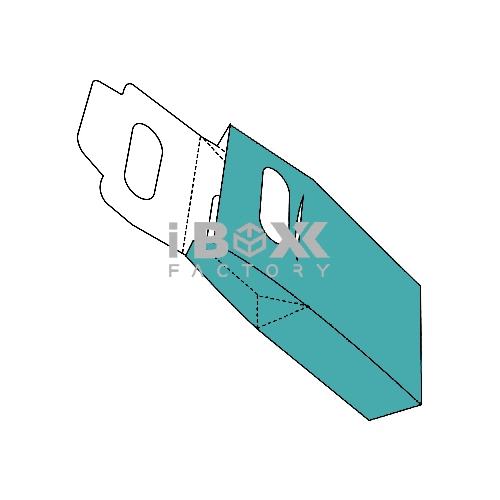
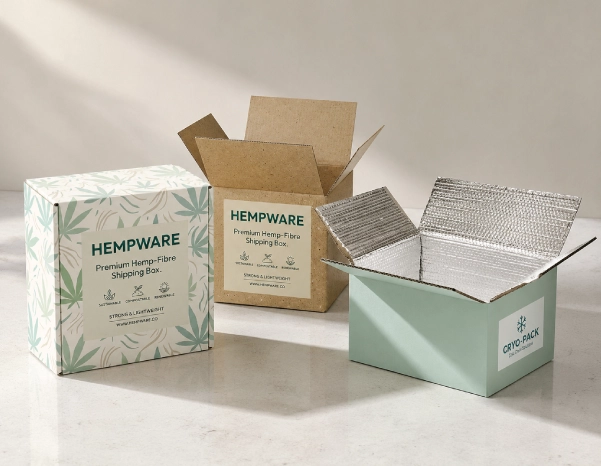
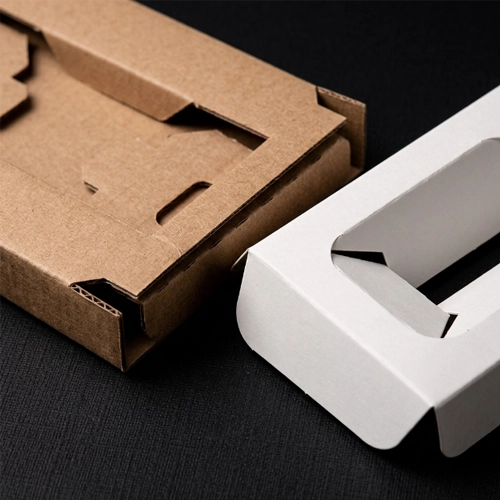
Start with how your product moves. A retail product needs a box that looks clear on a shelf. An ecommerce order needs a structure that survives sorting, stacking, and door step delivery. For custom shipping boxes, we study your product size, weight, and packing process before the dieline is made. Useful styles include mailer boxes, RSC cartons, tab lock mailers, crash lock bottom boxes, die cut shipping boxes, subscription boxes. This gives you room to choose a format that fits the item without extra space. It also helps your team pack faster because the box follows the product shape. You can connect this page with **custom mailer boxes** when you need a mailer style and **corrugated boxes** when you need a stronger outer shipper. The goal is simple. Your product should arrive in the same condition your team packed it. This also helps your team keep fewer box mistakes in daily fulfillment.
Choose Materials That Protect Without Waste
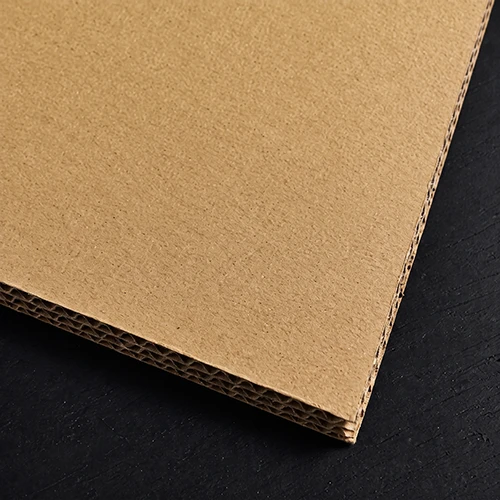
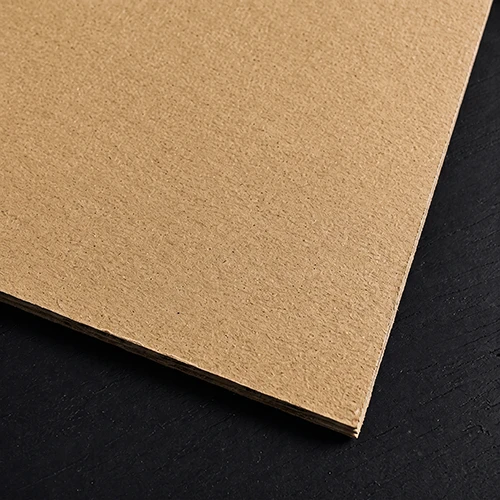
Material choice affects cost, strength, print quality, and how the box feels in hand. For this product, strong options include E flute, B flute, Kraft corrugated board, white corrugated board, recycled board, duplex board for light goods. Light goods can use thinner boards when the fit is tight and the route is short. Heavier items need corrugated strength and better crush resistance. We help you compare board grades, flute types, and paper finishes before production starts. This keeps your packaging useful instead of oversized. You can also ask for recyclable or recycled options when your buyers care about waste and disposal. A good material decision helps you reduce filler, save space, and keep the brand look consistent across orders. It gives you a practical balance between protection, price, and presentation.
Add Details That Make Packing Easier
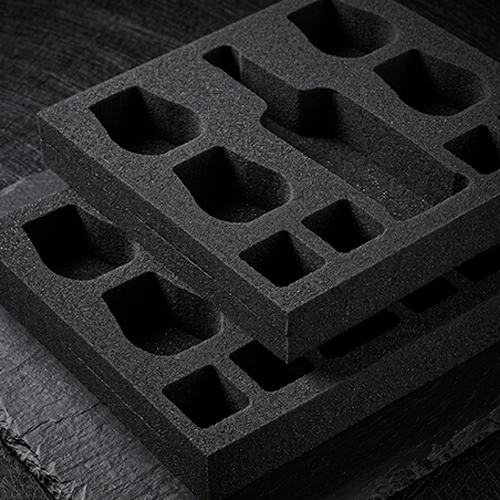
Small structural choices can save time in daily packing. Relevant add-ons include tear strips, double adhesive strips, locking tabs, inserts, dividers, handles, QR labels, return strips, tamper aware seals. These options help your product stay in place, open neatly, and reach the buyer without loose movement inside the parcel. For busy packing teams, adhesive strips and tear strips can reduce tape use and speed up sealing. Inserts and dividers help when the product has parts, glass, cables, or shape sensitive areas. Our team can build these details into the dieline so the box arrives production ready. You can also pair this with **custom inserts** when your item needs a fixed position. This gives your team a box that works well before branding even begins. Buyers notice that care when the order opens cleanly and the item feels secure.
Use Printing That Makes the Box Easy to Read
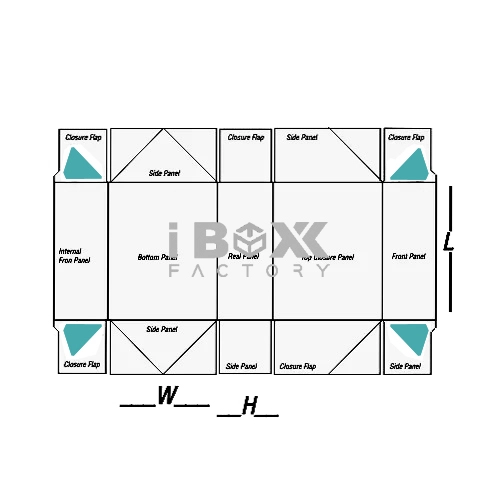
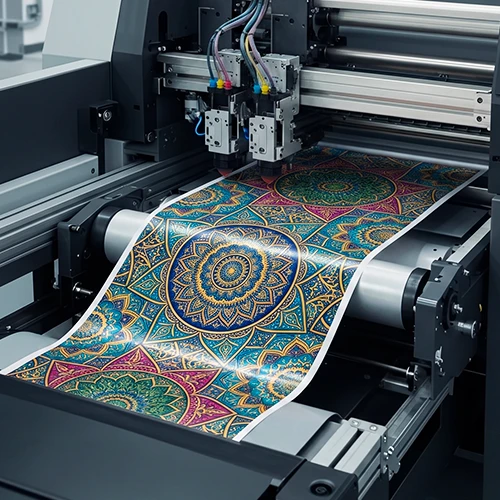
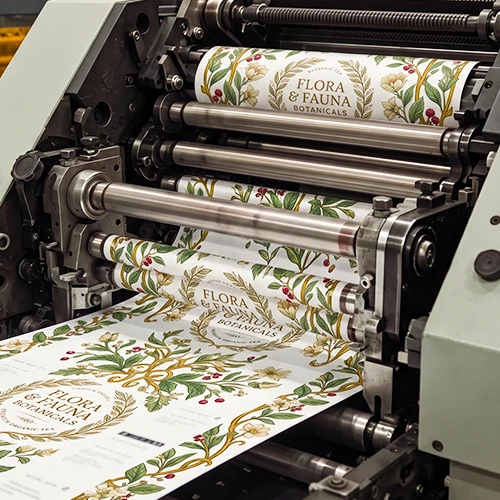
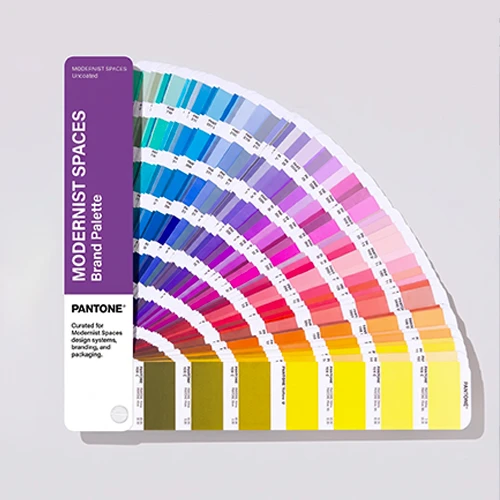
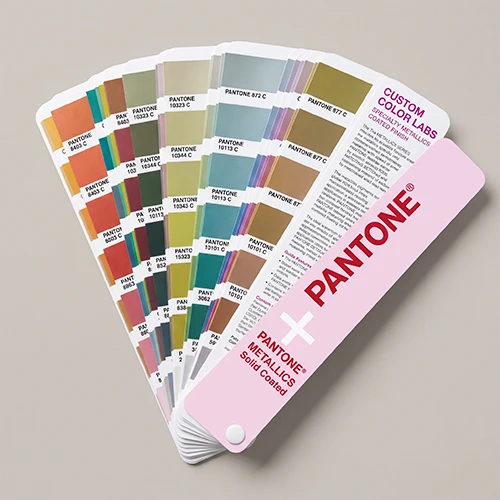
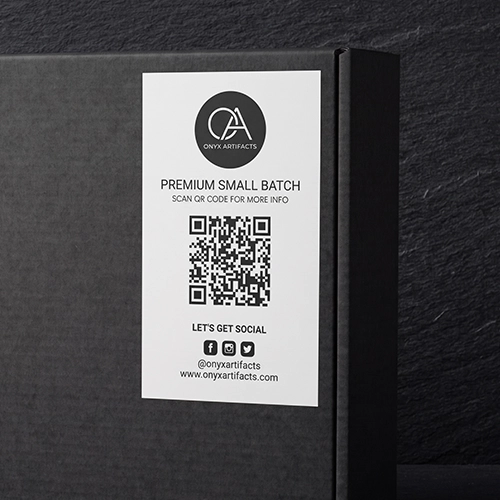
Printing should help buyers understand the product fast. Good options include CMYK, Pantone matching, flexo print, offset print, digital print, inside and outside printing. You can print your logo, product name, usage icons, return steps, QR codes, barcodes, and simple care notes. For shipping led products, outer print should stay clean and readable. For retail led products, panels can carry stronger visual cues and product benefits. We prepare artwork checks and print ready files before production so your colors, panels, and folds align properly. This matters because a small dieline error can move text into a fold or closure area. Clear print builds trust without making the design feel crowded. Your team can repeat the same setup across future orders with less guesswork.
Pick Finishes That Fit the Market
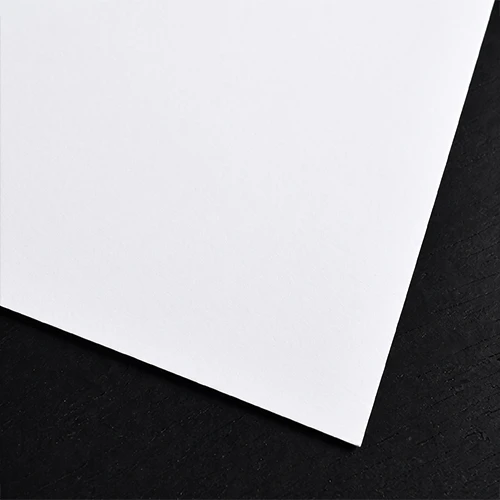
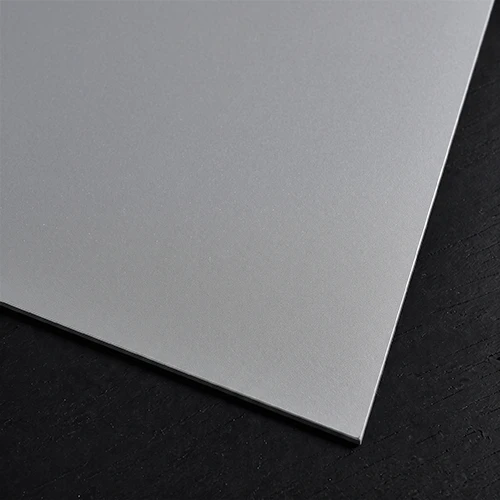
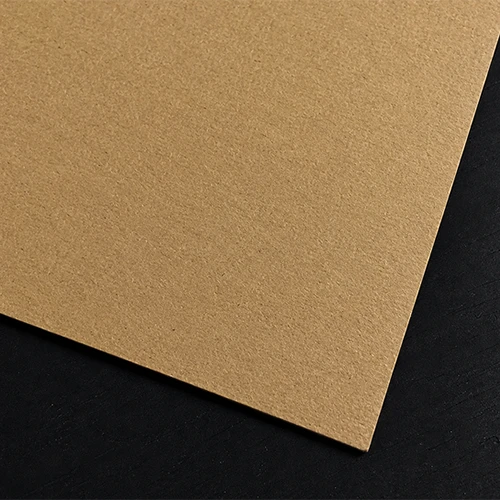
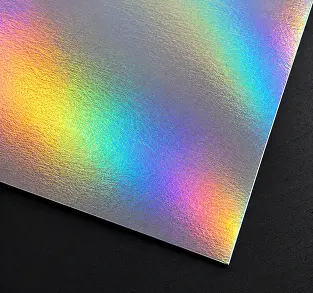
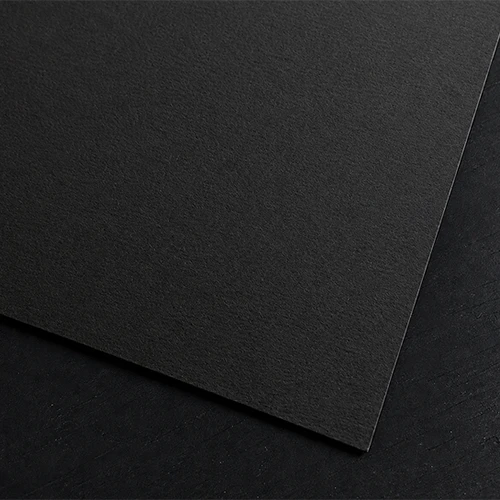
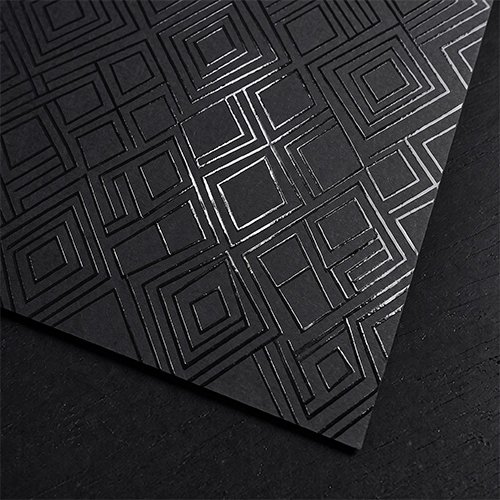
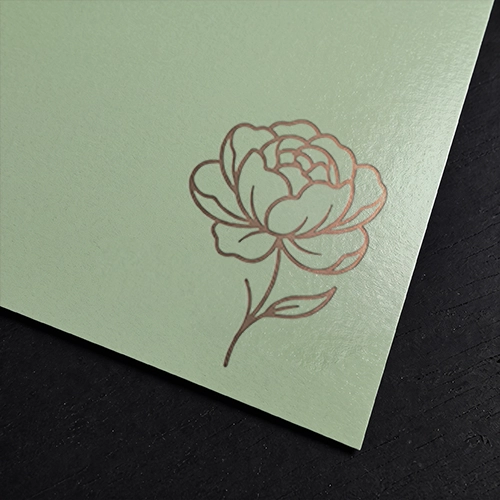
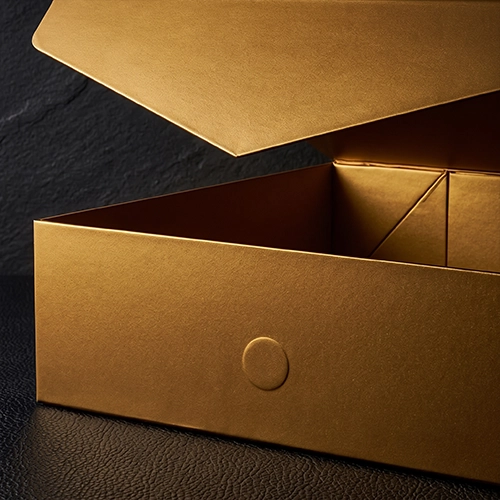
Finishes should match the buyer and the selling price. Suitable options include matte coating, soft touch coating, spot UV, aqueous coating, Kraft finish, inside print, full color outside print. A simple Kraft look works well for practical ecommerce orders and natural product brands. Matte coating can give a calm, clean surface for beauty, apparel, tech, and gift products. Spot UV or foil can highlight a logo when the product needs a more premium look. Our experts guides you on which finish makes sense for your order size, budget, and buyer expectations. The finish should support your product story, not fight it. You can keep it plain, soft, glossy, textured, or highly branded based on how your box will be used. This makes the box easier to approve, store, fill, and reorder.
Plan Sizes Around Real Orders
Common size needs include small mailers for cosmetics, medium boxes for apparel, large cartons for bundles, cube boxes, flat mailers, long slim cartons. The right size depends on product length, width, height, accessories, insert space, and shipping method. A box that is too large needs more filler and can raise parcel costs. A box that is too tight can pressure the product and slow down packing. We can create custom sizes from your product sample, dieline, or current vendor box. This helps you build a better fit instead of forcing your item into a standard carton. For growing brands, size planning also supports future bundles and seasonal kits. You get more control over storage, freight, and the buyer experience. You can also adjust the same structure for small runs, seasonal kits, or larger wholesale orders.
Let iBOX Factory Handle the Packaging Checks
We acts as your packaging partner, not just a box supplier. The team reviews your product use, buyer type, shipping route, artwork, and production needs before the box moves forward. You get support with dielines, material choice, print setup, add-ons, and proofing. This helps reduce avoidable mistakes like weak closures, poor insert fit, unclear print areas, or wrong board strength. For buyers who manage many orders, that support can save time and reduce back and forth. You can also use **custom printed boxes** when your main need is branded print across boxes. The result is a cleaner packaging decision with fewer surprises. That support helps your brand move from idea to approved packaging with more confidence.
Make the Box Work for Sales and Fulfillment
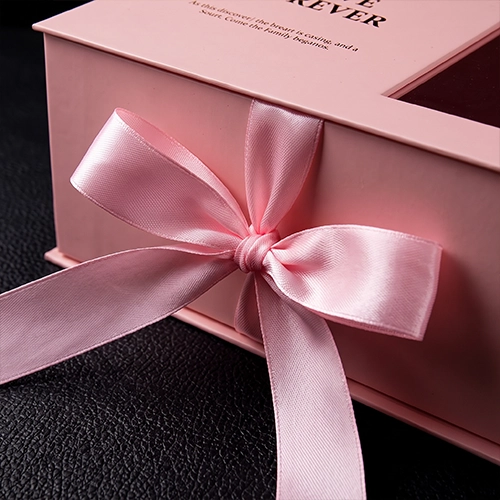
Your packaging needs to serve two sides of the business. It must help your operations team pack quickly, and it must help your buyer feel confident after delivery. A neat structure supports storage, stacking, picking, and labeling. A clear printed box supports recognition, repeat orders, and a better product handoff. We can adjust the design for ecommerce, retail, wholesale, subscription, or gift use. You can choose simple outside print, inside print, inserts, dividers, handles, or color matched branding. This gives your box more purpose without making it complicated. The best design is the one your team can use daily and your customers can trust. A useful box should feel simple for your team and reassuring for your buyer.
FAQs
What box style works best for custom shipping boxes?
The best style depends on product weight, selling channel, and shipping method. iBOX Factory can make mailer boxes, RSC cartons, and custom dieline options after reviewing your product details.
Can iBOX Factory make custom sizes?
Yes. You can share product dimensions, a sample box, or a dieline. We can create a custom size that fits your product, insert, and shipping needs.
Which materials are available?
Material options include E flute, B flute, Kraft corrugated board, white corrugated board, recycled board, duplex board for light goods. The team recommends board strength based on product weight, handling risk, and budget.
Can you print inside and outside the box?
Yes. You can print outside panels, inside panels, product notes, QR codes, barcodes, and brand messages. We check artwork against the dieline before production.
Can I add inserts or dividers?
Yes. Inserts, dividers, trays, and other add-ons can be made to hold the product in place and improve the buyer experience.