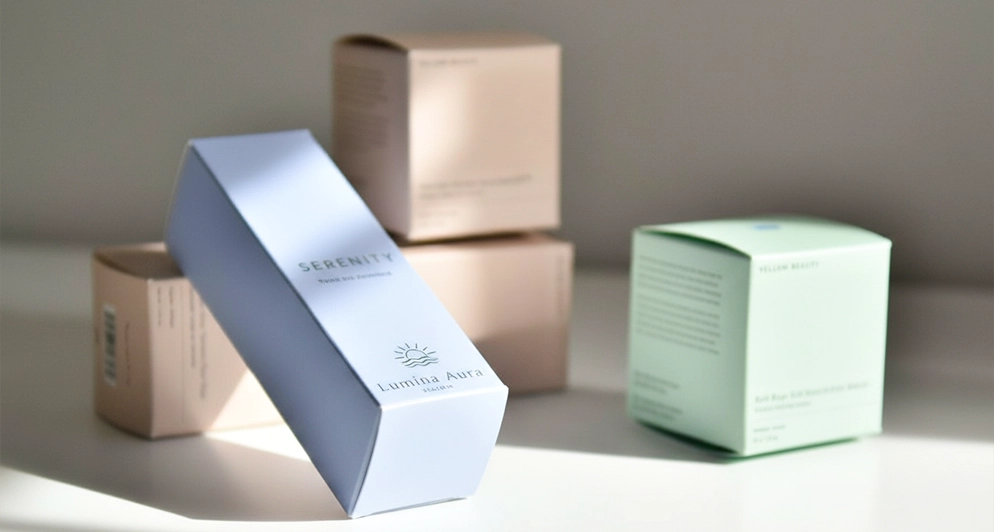
If you’re launching a cereal brand or designing retail packaging, choosing the right cereal box size is important. The size impacts your product’s shelf appearance, shipping costs, branding, and how easy it is for customers to handle. Whether you sell single-serve packs or large family boxes, accurate measurements help your product look professional and meet store standards. In this blog, we will delve more into the standard sizes in inches and centimeters, common retail options, and tips for choosing custom packaging.
What Is the Standard Size of a Cereal Box?
The standard cereal box size is a universally recognized format that typically measures approximately 12 inches in height, 8 inches in width, and 2.5 inches in depth. This specific configuration has become the industry benchmark because it provides a substantial front-facing surface area for branding while remaining slim enough to be gripped by a single hand. Most retail shelves are designed with a 13-inch vertical clearance, making the 12-inch height of a standard container the ideal choice for maximum visibility without clashing with the shelf above.
A standard cereal box usually holds 10 to 14 ounces of cereal, depending on how dense the cereal is. For example, granola takes up less space than light cornflakes, even if they weigh the same. This means the box depth can range from 2 to 3 inches. Manufacturers need to measure carefully to avoid too much empty space at the top, which can make customers think the box is underfilled.
Understanding Cereal Box Dimensions in Inches and CM
In the United States, packaging sizes are usually given in inches. International suppliers and distributors often use centimeters. When ordering packaging internationally, converting cereal box dimensions in inches into metric units prevents costly production errors.
| Box Type | Height (Inches) | Width (Inches) | Depth (Inches) | Height (CM) | Width (CM) | Depth (CM) | Typical Capacity |
| Standard Size | 12″ | 8″ | 2–2.5″ | 30.48 cm | 20.32 cm | 5–6.35 cm | 10–14 oz |
| Family Size | 14–15″ | 9–10″ | 3″ | 35.5–38.1 cm | 22.8–25.4 cm | 7.6 cm | 18–24 oz |
| Mini / Single-Serve | 6–7″ | 4–5″ | 1.5–2″ | 15–18 cm | 10–12.7 cm | 3.8–5 cm | 1–2 servings |
| Custom Retail Size | Varies | Varies | Varies | Varies | Varies | Varies | Based on product weight |
These measurements are just a starting point. The weight and type of cereal also affect the final box size. Flakes, granola, and puffed grains each fill the box in their own way.
Understanding Family Size Cereal Box Dimensions
Family size cereal box dimensions are perfect to offer customers more value but still be easy to handle. These boxes are usually taller and wider than standard ones, often measuring 14 to 15 inches high and 9 to 10 inches wide. Because they hold more cereal, usually between 18 and 24 ounces, they need thicker cardboard to keep the sides from bulging.
Family-size boxes are also deeper, usually around 3 inches. This extra depth helps keep the taller box stable and less likely to tip over in the pantry. From a retail perspective, family-size cereal box dimensions are a strategic choice, they take up more shelf facings, increasing brand dominance in the aisle. But manufacturers need to make sure the box height stays under the standard 16-inch shelf clearance, or the product might end up on the top shelf, where it’s harder for some customers to reach.
Why Do Cereal Box Dimensions Matter in Retail?
In today’s competitive cereal market, standard packaging doesn’t always work for special products like organic granola, high-protein clusters, or keto blends. Picking a custom cereal box size lets brands go beyond the usual rectangle and create packaging that matches their style. This could mean changing the box’s shape or adding features, such as windows, so customers can see the cereal inside. Custom sizes can make your product look better on the shelf and help cut shipping costs by reducing empty space.
Brands pick custom box sizes to solve real problems. For example, a subscription cereal company might want a slim box that fits in a mailbox, while a premium brand might choose a shorter, wider box that feels like a gift. Custom designs need careful planning. Barcodes, nutrition facts, and FDA labels must be easy to see. If the measurements are off, important details can look crowded or unprofessional, affecting both compliance and your brand’s image.
What is the standard size of a cereal box?
The standard cereal box size is a universally recognized format that typically measures approximately 12 inches in height, 8 inches in width, and 2.5 inches in depth. This specific configuration has become the industry benchmark because it provides a substantial front-facing surface area for branding while remaining slim enough for easy grip by a single hand. Most retail shelves looks good with a 13-inch vertical clearance, making the 12-inch height of a standard cereal box the ideal choice for maximum visibility without clashing with the shelf above.
A standard cereal box usually holds 10 to 14 ounces of cereal, depending on the cereal’s density. For example, dense granola takes up less space than light cornflakes, even if they weigh the same. That’s why the box depth can range from 2 to 3 inches. Manufacturers need to measure carefully to avoid too much empty space at the top, which can make customers think the box is not full.
Custom Cereal Box Size for Retail Brands
Not every product fits standard box sizes. Health brands, organic cereal makers, and subscription services may need custom cereal box sizes for special weights, unique branding, or shelf strategies. Custom sizing lets brands meet their exact storage, marketing, and shipping needs.
Customization gives flexibility to select any height, width, or depth for your box. For instance, a tall, slim box can convey a premium image for granola blends, while a wider, shorter box may signal eco-friendliness by reducing material use. This process ensures packaging best reflects your product’s needs, branding goals, and retail environment.
Structural options include reverse tuck-end boxes, auto-lock bottom packaging, and window-cut designs that display the product inside. These design elements enhance consumer trust and differentiate the shelf.
From a logistics perspective, custom sizing can reduce wasted shipping space. Efficient case packing lowers freight costs and supports sustainable distribution goals.
Materials Used in Cereal Packaging
Most cereal boxes are made from paperboard that comes from wood pulp. Some sustainable brands use recycled kraft boards certified by FSC standards. The inner liner is usually made of food-grade polyethylene to keep out moisture and air.
Printing methods include flexography for high-volume production and digital printing for limited runs. Matte lamination and gloss coatings enhance surface durability while improving shelf appeal.
Sustainability has become increasingly important in packaging decisions. Many companies are now exploring biodegradable liners and recyclable materials to reduce their environmental impact.
Design Considerations Beyond Dimensions
While measurements are essential, design is equally important. Color psychology affects purchasing decisions: bright colors appeal to children, while neutral tones attract health-conscious adults.
Typography should be legible from a distance. Nutrition facts panels must comply with FDA regulations. Branding elements such as mascots, logos, and product images require sufficient front space to stand out.
Packaging engineers and graphic designers work together to make sure the box’s structure supports the design. The outer carton also needs to be strong enough to handle stacking in warehouses and shipping without any crushing.
How to Choose the Right Cereal Box Size for Your Brand
Selecting appropriate dimensions requires evaluating product weight, retail environment, and distribution strategy. If your cereal are selling in large supermarket chains, aligning with the Standard cereal box size increases acceptance rates.
For specialty stores or direct-to-consumer channels, custom cereal boxes offer greater flexibility to be designed in any shape, style and size. Subscription services often choose compact dimensions to lower shipping costs. Before production, request physical prototypes to test stacking strength and shelf fit, as small measurement errors can cause significant operational issues.
Conclusion
Understanding packaging geometry is essential for food brands in today’s retail environment. From the iconic standard cereal box size that defines our morning routines to the massive family-size cereal box dimensions designed for bulk value, the physical footprint of your product is a key driver of its commercial success. Precision in cereal box dimensions, measured in inches, ensures your product is not only protected during transit but also stands out on a crowded shelf.
At IBOX Factory, we recognize that every detail of your packaging impacts your brand’s success. Whether you need a traditional or custom cereal box size, our experts deliver high-quality, durable, and visually appealing solutions tailored to your needs. We combine structural engineering and creative branding to help your cereal box become the customer’s first choice each morning.
FAQs
How much does a standard cereal box weigh?
A filled standard cereal box typically weighs between 10 and 14 ounces, depending on the density of the ingredients, such as flakes compared to nuts or dried fruits. The empty cardboard adds minimal weight.
Can I get a custom size for a small business?
Yes, many packaging companies offer small-batch custom options, allowing boutique brands to use unique box sizes without large minimum orders.
Do all brands use the same dimensions?
Most big brands use sizes within half an inch of the standard 12x8x2.5-inch box. This helps their products fit easily on grocery store shelves.
What material is best for large family-size boxes?
For bigger boxes, a 24-point heavy-duty paperboard is best. It’s strong enough to keep the box from sagging or tearing when holding up to 24 ounces of cereal.
What material is ideal to make cereal boxes?
Most custom box manufacturers use paperboard to produce cereal boxes with a food-grade plastic liner inside to keep the cereal fresh.