Choosing the Right Plastic Material for Your Product
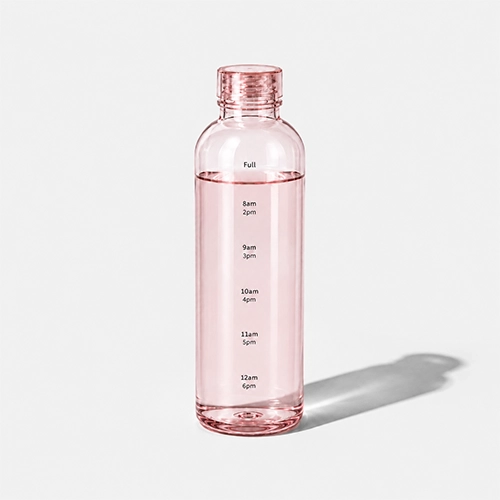
The material a plastic bottle is made from is the most important decision in the specification process. PET gives crystal clarity and is the standard for beverages, sauces, and personal care products where product visibility is a selling point. HDPE gives impact resistance, chemical compatibility, and opacity for personal care, household, and food products that do not benefit from transparency. PP offers heat resistance and rigidity for products that are hot-filled or require autoclave sterilization. LDPE gives a soft, squeezable wall suited to applications where flexible dispensing is the primary requirement. Each material has a specific performance profile and the right choice depends entirely on the product inside and the distribution context.
Capacity and Format Options Across Product Categories
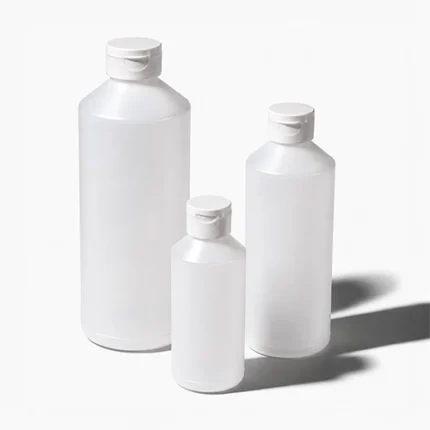
Custom plastic bottles are available from small 1oz personal care formats through to large 1-gallon food and household formats. Standard capacities across all material types include common personal care sizes of 2oz, 4oz, 8oz, and 16oz, food and beverage sizes from 8oz to 32oz, and household and industrial sizes up to gallon formats. We help brands identify the right capacity for their product based on the use frequency, the retail price point, and the competitive context of the category they are entering.
Closure and Dispensing Format Options
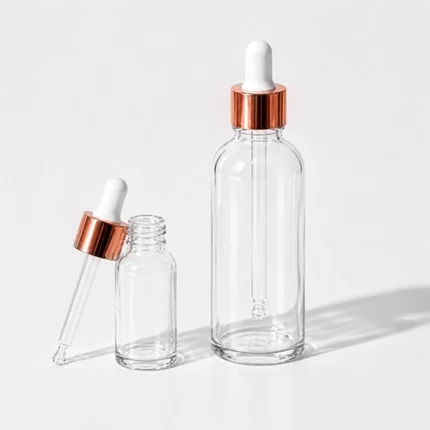
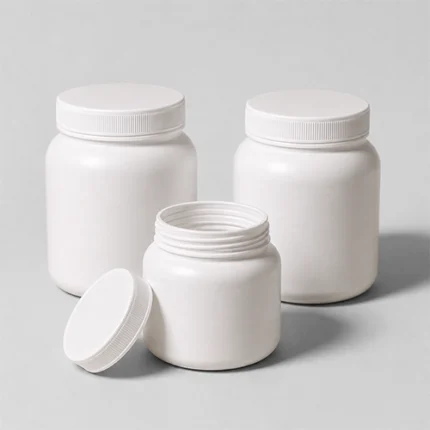
The closure is the user’s primary physical interaction with the bottle and it needs to serve the product’s dispensing requirements exactly. Lotion pumps for controlled dose dispensing of viscous personal care products. Trigger sprayers for household and cleaning products. Flip-top caps for one-handed squeeze dispensing of sauces and condiments. Disc tops for personal care products used in the shower. Dropper assemblies for serums and tinctures. Standard screw caps for products dispensed by pouring. We specify the right closure for every product and distribution context.
Label Surface and Brand Customization
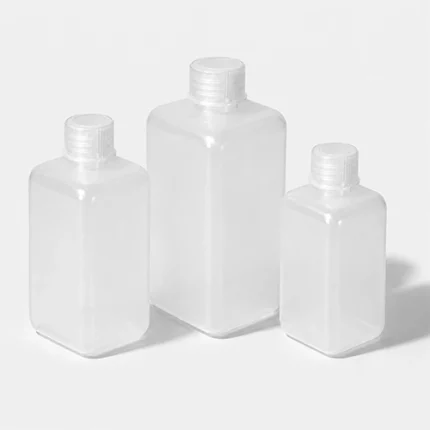
Every plastic bottle format we produce has a defined label panel specification that tells designers exactly how much surface area is available for brand communication. Smooth cylindrical walls for wrap-around labels. Flat panels on square formats for full-coverage label application. Embossed or textured surface options for brands that want the bottle itself to carry a tactile brand detail. We provide complete label specifications for every bottle format so the brand design and label production process is efficient and accurate.
Food-Grade and Regulatory Compliance
All custom plastic bottles produced by IBOX Factory use materials that meet applicable food-contact safety standards. PET and HDPE bottles for food, beverage, and oral care products use FDA-compliant food-grade resins. PP bottles for hot-fill and sterilized applications use high-purity resins appropriate for those processing conditions. We advise on the right material grade for every product category and regulatory context.
Sustainability and Recyclability
US municipal recycling systems widely accept PET and HDPE, while residential recycling programs increasingly accept PP. These materials use established post-consumer recycling infrastructure that helps recover and reprocess bottles after use. For brands whose buyers care about packaging sustainability, recyclable plastic bottle materials communicate a responsible choice without compromising on performance or cost.
Ecommerce and Retail Distribution Performance
Plastic bottles for ecommerce distribution must withstand handling and delivery without leaking, cracking, or deforming. They protect the product and maintain the brand experience when customers open their packages. We specify wall thickness, closure torque, and construction quality for each bottle format to ensure reliable performance from fulfillment centers to final delivery.
FAQs
What plastic materials are available for custom plastic bottles?
PET, HDPE, PP, and LDPE materials are all available, each with different performance characteristics suited to different product types and applications.
What capacity range is available?
From 1oz personal care formats through to 1-gallon household and industrial formats across all material types.
What is the minimum order quantity?
The minimum order is 1000 units. Request your quote today.
How quickly are custom plastic bottles produced?
We produce and deliver most custom plastic bottle orders within 10–12 days after artwork approval, with free US shipping included.
Are all materials food-grade?
Yes. All materials used in food, beverage, and oral care plastic bottle production are FDA-compliant food-grade resins.