Heat Resistance Up to 275°F for Hot-Fill Applications
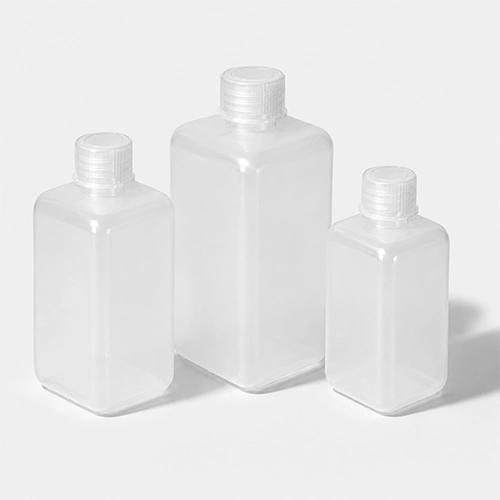
Hot-fill food production fills bottles with product at temperatures that would deform or collapse a standard PET or HDPE bottle. PP withstands temperatures up to 275°F without structural deformation, dimensional change, or chemical migration into the product. This makes PP the industry standard material for hot-fill sauces, soups, juices, jams, and condiments where the product is filled at high temperature and the bottle needs to hold its shape and its seal through the cooling process. If your production line hot-fills, PP is the material specification your bottle needs.
Autoclavable for Sterilization Processes
Autoclave sterilization uses high-pressure steam at temperatures that exceed the tolerance of most plastics. PP withstands repeated autoclave cycles without degradation, dimensional changes, or loss of structural strength. This makes custom PP bottles ideal for biomedical laboratories, medical device manufacturers, and baby product brands that require sterilization-compatible packaging.
Chemical Resistance for a Range of Products
Polypropylene is resistant to a lot of chemicals like acids, bases, alcohols and solvents. This means it does not break down easily. It is good for storing things that can hurt other types of plastic. For example laboratory chemicals, cleaning products, strong food acids and some medicines and personal care products. If you have a product that’s too strong for regular packaging, Polypropylene is a good choice because it keeps your product safe for a long time.
Structural Rigidity for Premium Shelf Presence
Polypropylene is a stiff material that is stronger than Low Density Polyethylene and similar to High Density Polyethylene. This makes Polypropylene bottles feel solid and nice to hold, which makes them look like high quality products. When you pick up a Polypropylene bottle it does not get damaged easily and it keeps its shape all the time. For baby products and personal care products the way the container feels is important, for the brand and Polypropylene is a choice because it is strong and rigid.
Food-Grade and Lab-Grade Material Specifications
Custom PP bottles are available in food-grade resin specifications compliant with FDA food-contact standards for hot-fill and ambient food and beverage applications. Lab-grade PP resin specifications are available for laboratory, medical, and biomedical applications requiring higher purity standards. We specify the right resin grade for each application and advise on any additional material requirements based on the product type and regulatory context.
Baby Product Applications
Premium baby product brands use PP bottles for its combination of heat resistance, chemical stability, and the absence of plasticizers like BPA that are associated with concerns in infant product contexts. PP is the material of choice for feeding bottles, baby food containers, and infant care product packaging where parents are particularly attentive to material safety credentials.
Label Customization and Brand Surface
PP bottles have a smooth wall surface that accepts pressure-sensitive labels and sleeve labels cleanly. Additionally, we provide label dimensions for every PP bottle format to keep the design and label production process accurate from brief to finished product. Moreover, we offer custom bottle colors alongside natural and white standard options.
FAQs
What temperature can PP bottles withstand?
PP bottles withstand temperatures up to 275°F (135°C), making them suitable for hot-fill food production and autoclave sterilization processes.
Are PP bottles autoclave-compatible?
Yes. PP can be autoclaved repeatedly without structural degradation, making it the standard choice for laboratory and medical sterilization applications.
What is the minimum order quantity?
The minimum order is 1000 units. Request your quote today.
How quickly are custom PP bottles produced?
We produce and deliver most custom PP bottle orders within 10–12 days after artwork approval, with free US shipping included.
What applications are PP bottles best suited to?
Hot-fill food production, laboratory and biomedical sterilization, premium baby products, and chemically aggressive personal care and cleaning formulations.