Choosing the Right Material for Your Plastic Jar
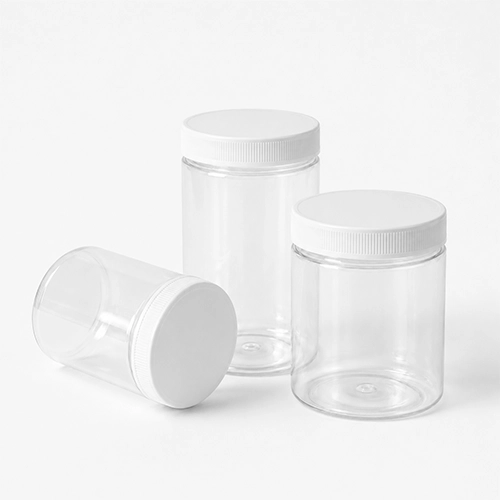
Material selection determines the performance of a plastic jar. PET offers clear visibility and gloss for cosmetics, specialty foods, and personal care products. HDPE provides durability, chemical resistance, and moisture protection for supplements, pharmaceuticals, and industrial uses. PP delivers heat resistance and rigidity for hot-fill and sterilization applications. The right material depends on product needs, filling process, and market requirements.
Capacity Range for Every Product Format
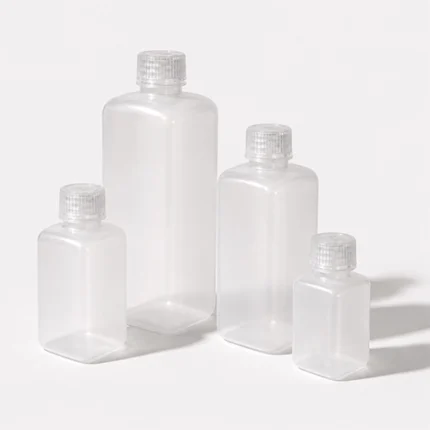
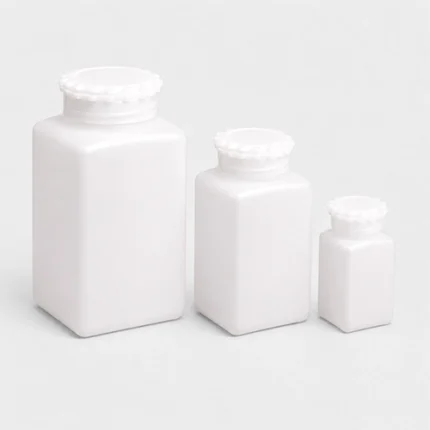
Custom plastic jars are available across a wide range of capacities from small 1oz sample and single-use formats through to large bulk containers suited to professional, food service, and industrial applications. Standard cosmetic sizes from 2oz to 16oz cover the full range of personal care product formats. Standard food and supplement sizes accommodate everything from a single-serving nutritional product through to a large protein powder container. We help brands match the right capacity to the product’s use frequency, the retail price point, and the competitive context of the category.
Wide-Mouth Format for Filling and Consumer Access
The wide-mouth format of a jar is what distinguishes it from a bottle as a primary packaging choice. Wide openings allow high-speed filling equipment to operate efficiently, accommodate spatula, spoon, and scoop accessories alongside the product, and give the consumer clean, complete access to the full contents without the frustration that comes from trying to retrieve product from a narrow-neck container. For any product that is scooped, applied by hand, or needs to be fully accessible through the full consumption period, the wide-mouth jar is the right format.
Closure and Seal Options
Plastic jars are available with standard continuous thread screw cap closures in sizes referenced by neck finish diameter and thread style, child-resistant closures for regulated product categories, tamper-evident band closures for food and pharmaceutical applications, and induction seal liner options that provide an additional moisture barrier and tamper evidence at the closure interface. The right closure is specified based on the product type, the regulatory requirements of the distribution market, and any consumer convenience requirements of the end user.
Label Surface and Brand Communication
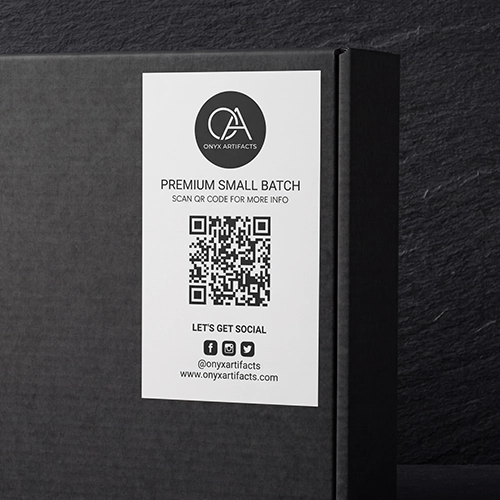
Plastic jars provide flat or gently curved exterior wall surfaces that accept pressure-sensitive labels cleanly and consistently. The label panel dimensions for every jar size and format are provided with every order so the design is always the right proportion for the container and the label applies accurately across the full production run. For brands whose label carries detailed ingredient listings, nutrition panels, regulatory markings, or complex design work, the generous label surface of a plastic jar is one of its most commercially useful attributes.
Food-Safe and BPA-Free Standards
All plastic jar materials produced by iBOX Factory for food, beverage, supplement, and consumer product applications use FDA-compliant food-grade resins. Additionally, PET and HDPE are inherently BPA-free materials, while PP food-grade resins are specified without BPA. As a result, we provide confirmed BPA-free and food-safe specifications that give brands confidence when customers review material safety information alongside ingredient labels.
Sustainable Options for Eco-Conscious Brands
PET and HDPE are widely recycled materials accepted by many US municipal recycling programs. Additionally, we offer post-consumer recycled content options for brands looking to reduce their packaging environmental impact. For brands whose buyers care about packaging responsibility alongside product quality, recyclable and PCR-content plastic jar options communicate a values alignment that builds long-term loyalty.
FAQs
What materials are available for custom plastic jars?
PET, HDPE, and PP are all available, each with different performance properties suited to different product types and applications. We advise on the right material for every product.
What capacity range is available?
From small 1oz sample formats through to large bulk containers across all material types. Standard cosmetic, food, and supplement sizes are all available.
Are all plastic jar materials food-safe and BPA-free?
Yes. All materials used in food and consumer product applications are FDA-compliant food-grade resins and inherently BPA-free.
What is the minimum order quantity?
The minimum order is 1000 units. Request your quote today.
How quickly are custom plastic jars produced?
We produce and deliver most custom plastic jar orders within 10–12 days after artwork approval, with free US shipping included.