Airtight Sealing to Protect the Roast
Freshly roasted coffee degrades rapidly when exposed to oxygen. The airtight seal of a properly specified coffee container is the single most important functional quality the packaging can provide. We offer coffee containers with foil induction seal liners, pressure seal liners, and pulp or vinyl liner options. These liners create freshness barriers and help maintain product quality. We match the right liner to your coffee type, whether whole bean, ground, or instant, and the required shelf life.
Container Formats for Every Coffee Product Type
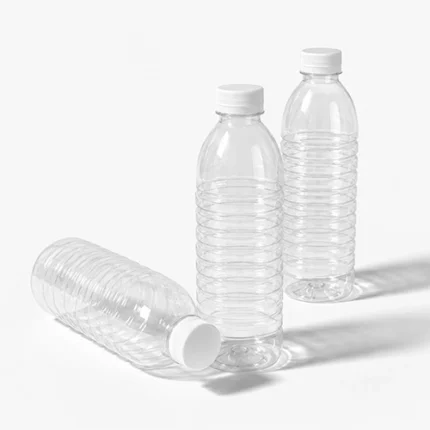
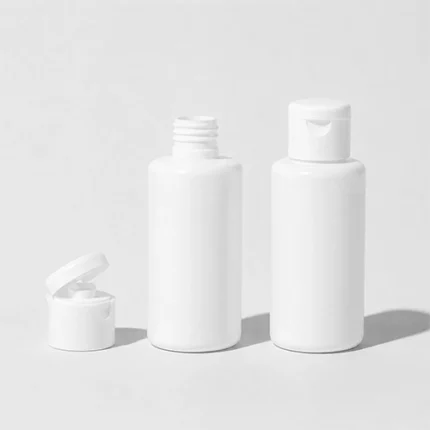
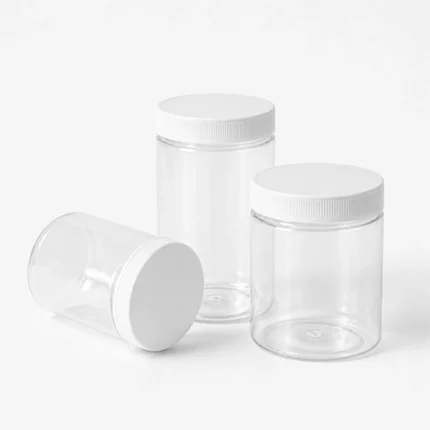
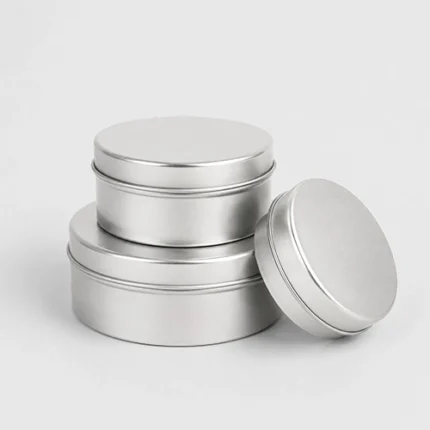
We produce wide-mouth PP and HDPE plastic tubs for ground and whole bean coffee in sizes from 175 g to 5–6 lb. bulk formats. These tubs provide easy filling, scooping, and storage for different coffee products. We also offer wide-mouth packer jars for instant and powdered coffee. Their opening makes dispensing simple and convenient for customers. In addition, we manufacture cylindrical canisters with flip-top or screw caps for portion-controlled coffee and retail packaging. Each format can be matched to your coffee type, filling process, and branding requirements.
Capacity Range From Single-Serve to Bulk
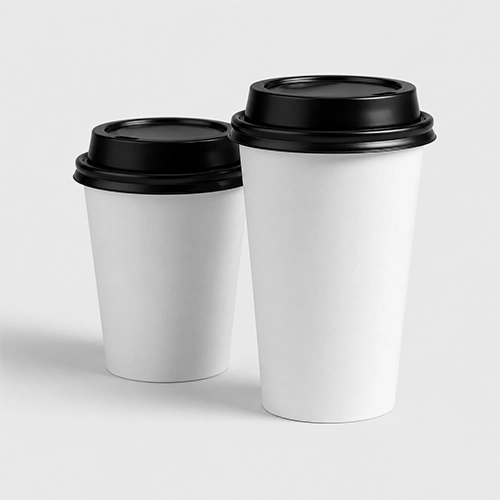
We produce custom coffee containers in sizes ranging from 175 cc sample formats to 20 oz and 46 oz retail options. We also offer 86–96 oz bulk containers for 5–6 lb coffee and 2000 cc or larger canisters for commercial use. These size options support everything from samples and smaller retail packs to high-volume coffee storage. We match each container capacity to your product format, pricing strategy, and customer storage needs. This helps you select a practical container size without changing the overall packaging system as your product range grows.
Lid and Dispensing Options
We offer coffee container lids in flip-top, screw-cap, spouted, and ribbed designs. Flip-top lids suit ground coffee, while screw caps provide an airtight seal between uses. We also produce spouted caps for controlled pouring and custom-colored ribbed caps for brand differentiation. We recommend the right lid based on your coffee type, dispensing method, and freshness requirements.
Moisture and Odor Resistance
Coffee is hygroscopic and absorbs moisture readily from the surrounding environment when the container seal is inadequate. Moisture absorption steals the coffee, clumps ground coffee, and alters the flavor profile in ways that damage the brand’s quality reputation. HDPE and PP container materials both have strong moisture barrier properties that prevent ambient humidity from penetrating the container wall. Combined with a properly specified lid liner, the moisture resistance of a well-specified coffee container maintains the product’s quality specification through the full retail shelf life and after the first opening.
Full Brand Label Customization
Coffee containers have a smooth, broad cylindrical or rectangular body that provides a large, consistent label surface for brand communication. For coffee brands whose label carries roast origin, tasting notes, certification marks, and brand story content alongside the product name, the generous label panel of a coffee tub or canister is one of the most commercially effective brand communication surfaces in primary packaging. We provide label dimensions for every container format so the design is always correctly proportioned and the label applies accurately across the full production run.
Stackable Design for Retail and Warehouse Efficiency
We design coffee containers with stable, stackable bases and secure lids for efficient storage and transport. The stable structure helps containers stay aligned during handling and shipment. It also improves pallet building and keeps retail shelves more organized. Food service teams can stack containers efficiently in storage areas and reduce wasted space. Furthermore, the stackable design can simplify handling and help coffee brands optimize warehouse capacity and transportation costs.
FAQs
What liner options protect coffee freshness?
HIS foil induction seal liners for airtight protection, pressure seal liners for first-opening integrity, and pulp and vinyl moisture barrier liners are all available.
What coffee formats are suited to different container types?
Wide-mouth tubs for ground and whole bean coffee, packer jars for instant and powdered coffee, and canisters for portion-controlled and premium retail formats.
What capacity range is available?
From 175cc single-serve formats through to 2000cc and larger industrial bulk formats.
What is the minimum order quantity?
The minimum order is 1000 units. Request your quote today.
How quickly are custom coffee packaging containers produced?
Most orders are delivered in 10 to 12 days from artwork approval with free US shipping.